
About All ToursBoat ToursSun Island Tours2-Day ToursFrom Cusco ToursFrom La Paz ToursAnd Machu Picchu Tours Directions Hours & Fees
Find Tours 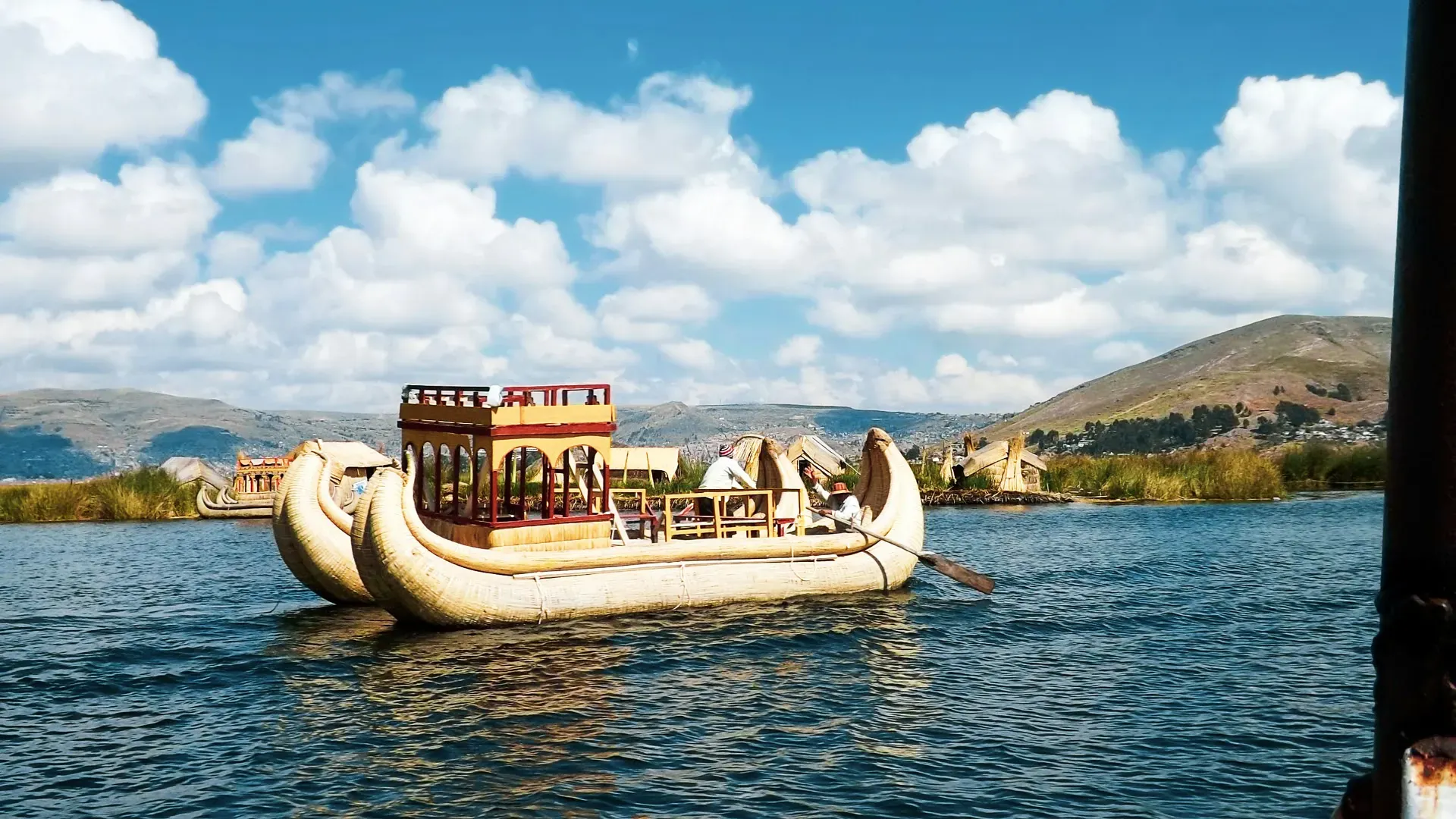
Visitors access the 8,300-square-kilometer lake through the city of Puno in southern Peru. Most travelers arrive via a 7-hour public bus from Cusco or fly into Juliaca Airport before taking a 45-kilometer taxi ride south.
Lake Titicaca, Puno, Peru
Public buses cover the 389 kilometers between Cusco and Puno in seven hours. The route navigates windy, steep mountain roads through the high Andes. Cheap public operators frequently suffer delays and maintain poor safety records. Choose traveler-focused services like Peru Hop or Inka Express for reliable transit. Passengers must stay highly vigilant of their personal belongings at all times. Motion sickness strikes often on these winding switchbacks. Carry effective remedies and take them before boarding. Book tickets well in advance if traveling during the peak dry season from June to August.
The PeruRail Titicaca train takes 10.5 hours to traverse the high Andes between Cusco and Puno. This daylight journey replaces steep road switchbacks with a smooth ride featuring on-board meals and live music. The route includes a designated stop at the high pass of La Raya for passengers to step outside. You will pass through isolated mountain landscapes before reaching the lake at 3,812 meters above sea level. Book this opulent alternative well ahead of your travel dates. The train runs less frequently than the bus network, requiring strict schedule alignment.
LATAM Airlines operates non-stop flights from Lima directly to Inca Manco Cápac International Airport in Juliaca. The flight takes two and a half hours, crossing the Andes before landing at an elevation of 12,500 feet. Passengers will feel the thin air immediately upon disembarking. The extreme elevation poses a severe risk of altitude sickness, causing headaches, nausea, and shortness of breath. Rest for the first 48 hours and eat light meals to adjust. Drink local coca leaf tea before attempting any onward travel to the lake.
Licensed taxis and local buses handle the final 45-kilometer drive south from Juliaca Airport to Puno. The drive takes exactly one hour along paved roads. Armed robbers have occasionally targeted tourists walking alone in isolated areas around Puno. Always hire licensed taxis arranged directly by your hotel or official airport kiosks rather than hailing cabs off the street. Many local operators do not accept credit cards. Pay drivers in small denominations of Peruvian soles to ensure you have exact change for the fare.
Tour boats depart daily from the Puno docks to access the floating Uros islands, Taquile, and Amantaní. Basic full-day boat tours cost between $29 and $120 USD. Standard vessels are not wheelchair accessible and require passengers to navigate steep stairs and narrow platforms to board. Water conditions become exceptionally choppy during the windy month of August. Stay securely inside the boat, as the 14°C water poses a severe hypothermia risk if you fall in. Purchase boat tickets directly at the docks through authorized operators like Go Puno.
Well-maintained hiking paths trace the Capachica Peninsula, offering direct foot access to lake viewpoints. Walking these trails requires a regional entrance fee of 30 soles for foreigners, payable in cash on-site. The 3,800-meter altitude makes physical exertion significantly more difficult. Maintain a slow pace and avoid strenuous climbs during your first two days in the region. Heavy downpours and lightning between November and April turn these mountain trails into deep mud. Plan hikes for the dry season to ensure clear skies and solid footing.
Motorized vehicles are legally banned on islands like Taquile. Travelers skip parking entirely, relying on hotel-arranged licensed taxis for drop-offs at the Puno docks to minimize the risk of robbery. Wheelchair users face steep stairs at these boarding areas, requiring specialized agencies with portable ramps to access standard tour boats.
| From | Mode | Time | Cost | Tip |
|---|---|---|---|---|
| Cusco | Bus | 7 hours | From $20 USD | Skip cheap public options and book traveler-focused services like Peru Hop or Inka Express to navigate the steep, windy mountain roads safely. |
| Cusco | Train | 10 hours 30 minutes | Premium | PeruRail operates this daylight route through the high Andes, stopping at the La Raya pass and serving on-board meals. |
| Lima | Flight & Taxi | 2 hours 30 minutes | Varies | Fly non-stop via LATAM Airlines to Juliaca's Inca Manco Cápac International Airport, then hire a licensed taxi for the 45-kilometer drive south to Puno. |
Rest for 24 to 48 hours upon arrival to adjust to the 3,812-meter elevation. Eat light meals and drink local coca leaf tea to combat the thin air. Rushing into physical activity risks severe headaches, nausea, and shortness of breath.
Avoid budget public transit when traveling the 389 kilometers from Cusco to Puno. These vehicles frequently suffer delays and have poor safety records on the steep mountain roads. Book traveler-focused operators like Peru Hop or Inka Express for the 7-hour journey.
Bring physical currency in small denominations, as boat operators and island communities reject credit cards. You need exact cash to pay the 30-sole regional entrance fee for foreigners. Keep coins handy to purchase artisanal souvenirs and tip local guides.
Pack high-quality thermal layers alongside high-SPF sunscreen and polarized sunglasses. The high-altitude sun reflects harshly off the water during the day, while nighttime temperatures frequently drop below freezing in June and July. Without proper gear, you risk severe UV damage and extreme cold within the same 24-hour period.
Pack extra camera batteries and a fully charged power bank for overnight trips. Electricity remains highly limited or completely unavailable on islands like Taquile and Amantaní. Local families rely entirely on small solar panels, candles, or flashlights.
Fly non-stop on LATAM Airlines from Lima to Juliaca's Inca Manco Cápac International Airport, a two-and-a-half-hour trip. Juliaca sits 45 kilometers north of Puno. Hire a licensed taxi or bus at the terminal for the remaining one-hour drive south to the lake.
Public buses cover the 389-kilometer route between Cusco and Puno in about seven hours. Fares start at $20 USD. Travelers should book reliable services like Peru Hop or Inka Express to navigate the steep, windy mountain roads safely.
PeruRail operates a premium daylight train connecting Cusco to Puno over a ten-and-a-half-hour journey. The route crosses the high Andes and includes a stop at the La Raya pass. Passengers receive on-board meals and live music during the trip.
No general permit is required to access the water. Visitors purchase boat tickets directly at the docks through operators like Go Puno. Homestays on Amantaní demand coordination through authorized tour guides following community tourism codes.
Heavy downpours between November and April frequently turn mountain roads muddy or force complete closures. January and February bring the peak of the rainy season, accompanied by lightning and poor visibility. Plan road travel during the dry window from May to October for clear skies.
Basic full-day boat tours range from $29 to $120 USD per person. Multi-day excursions with island homestays cost between $250 and $600 USD. Carry small denominations of Peruvian soles to pay for entrance fees, as many boat operators reject credit cards.
Standard tour boats lack wheelchair access, requiring passengers to navigate steep stairs and narrow boarding platforms. Specialized agencies provide customized excursions equipped with portable ramps, personal assistants, and accessible hotel accommodations. Pre-arrange private transport to bypass the steep stone paths found on islands like Taquile.
Browse verified tours with free cancellation and instant confirmation.
Find Tours