About All ToursBoat ToursSun Island Tours2-Day ToursFrom Cusco ToursFrom La Paz ToursAnd Machu Picchu Tours Directions Hours & Fees
Find Tours 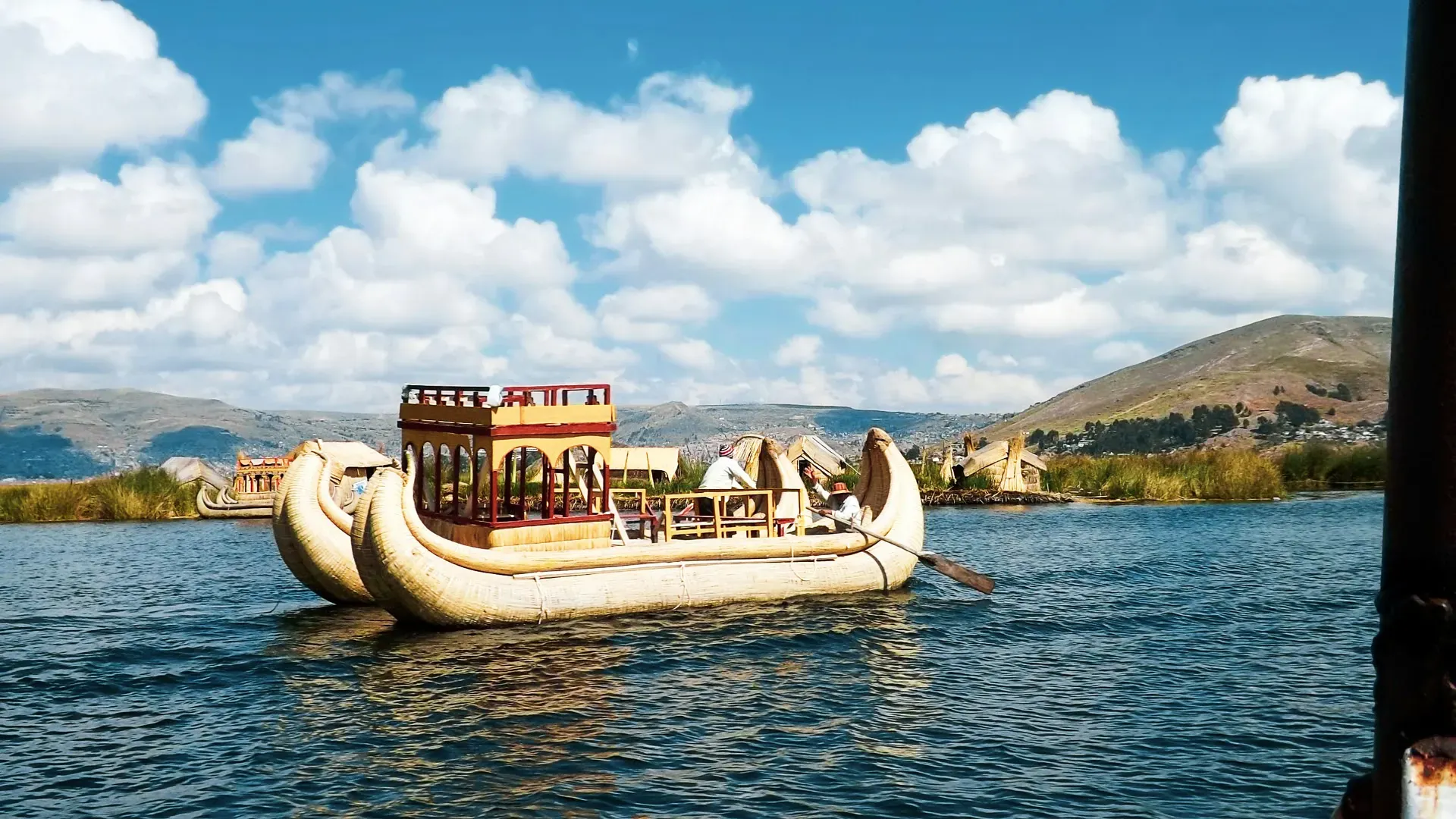
Travel from the heart of the Inca Empire to the world's highest navigable lake with these guided excursions. Explore the floating Uros islands, stay with local families on Amantani, and enjoy scenic overland routes through the Andes.

A six-day small-group tour through the Sacred Valley, Machu Picchu, and the floating islands of Lake Titicaca.
 Free Cancellation
 Visit the Uros floating reed islands and Amantani on a full-day boat journey across Lake Titicaca.
 Free Cancellation
 Explore Lake Titicaca’s floating islands and stay overnight with a local community on Amantani Island.
 New
New A guided journey from Cusco to Lake Titicaca with stops at historic Andean sites and local island communities.
 Free Cancellation
 Stay with local families on Amantani and explore the reed islands and textile traditions of Lake Titicaca.
Read what travelers share about their experience visiting Lake Titicaca — from practical tips to personal highlights.
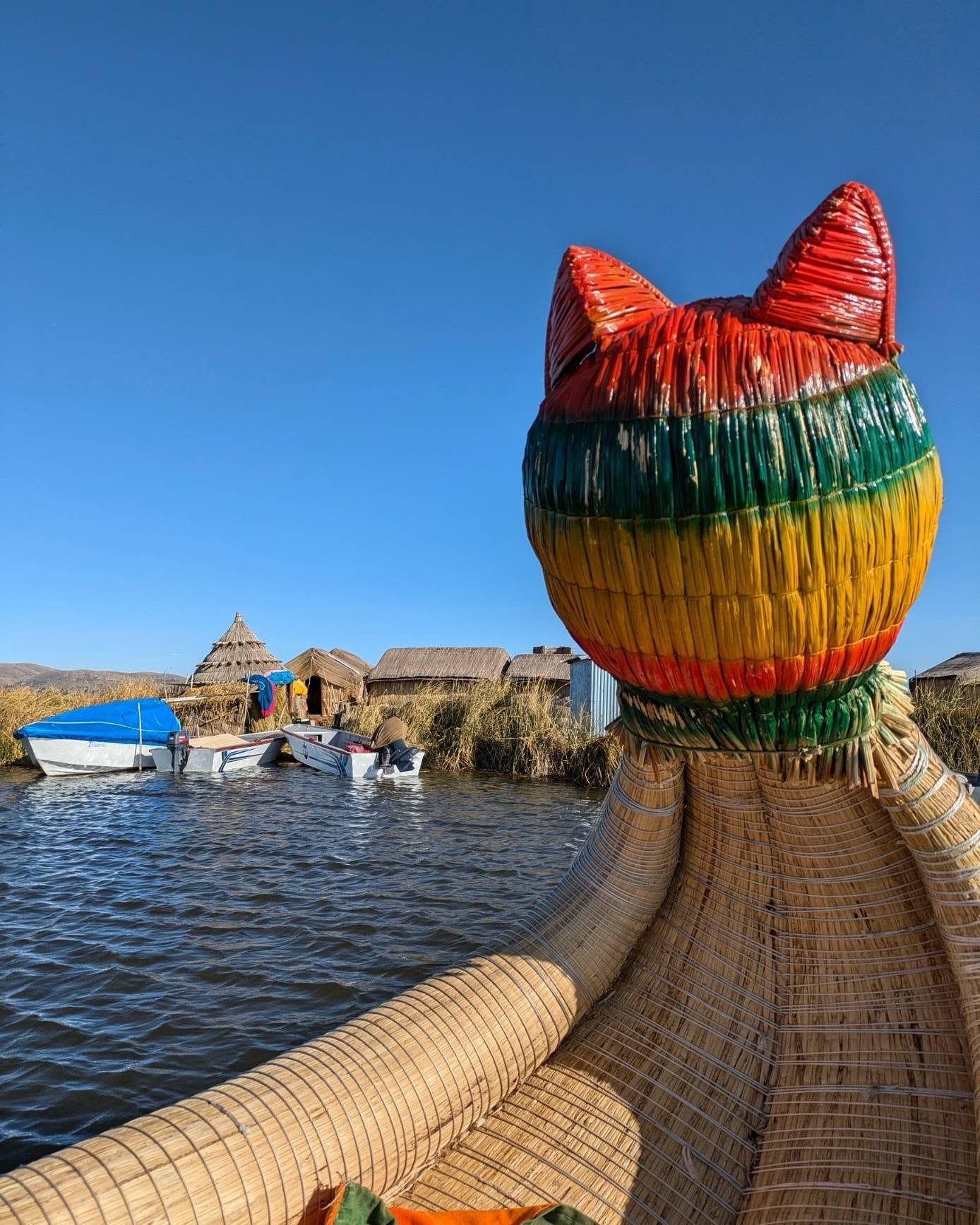
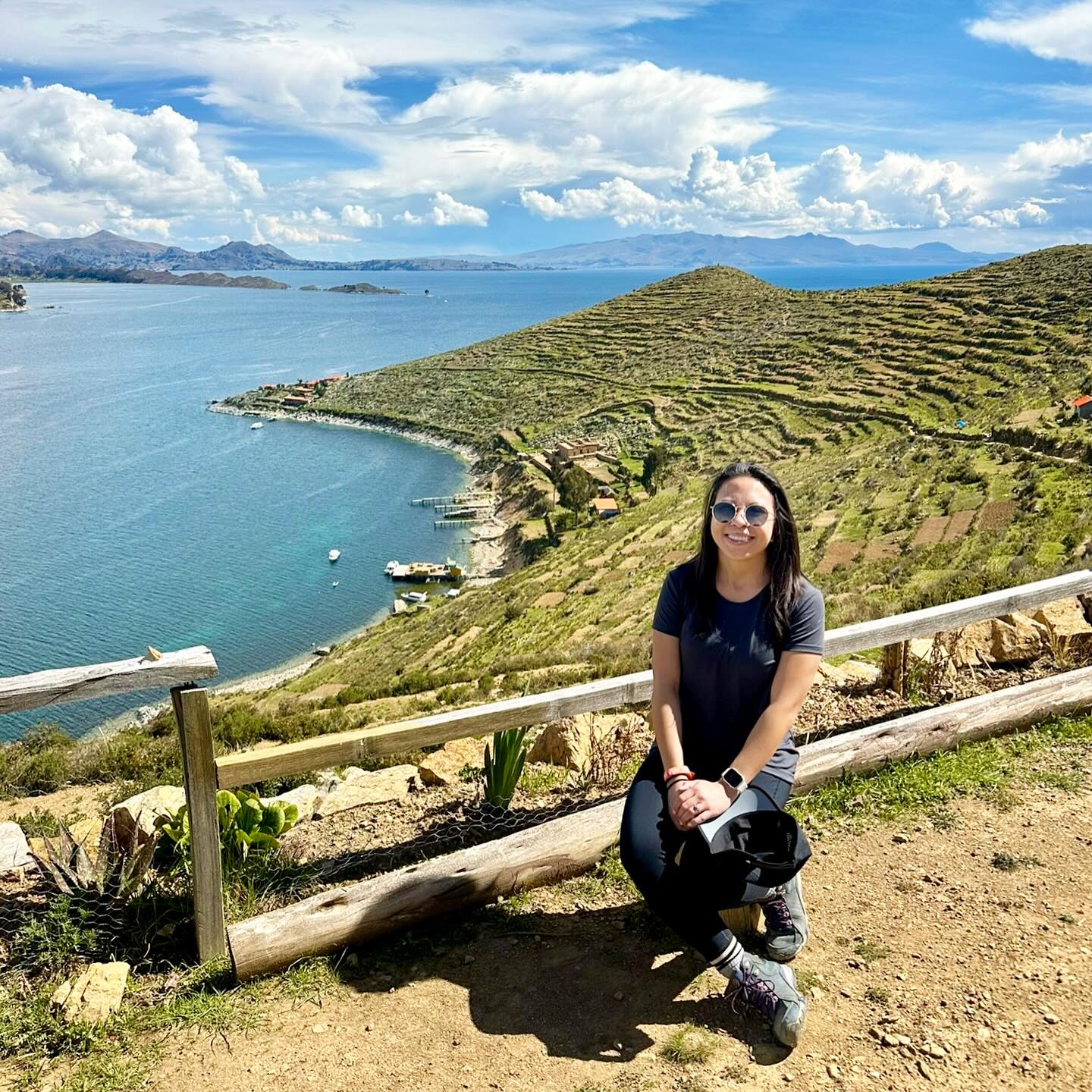
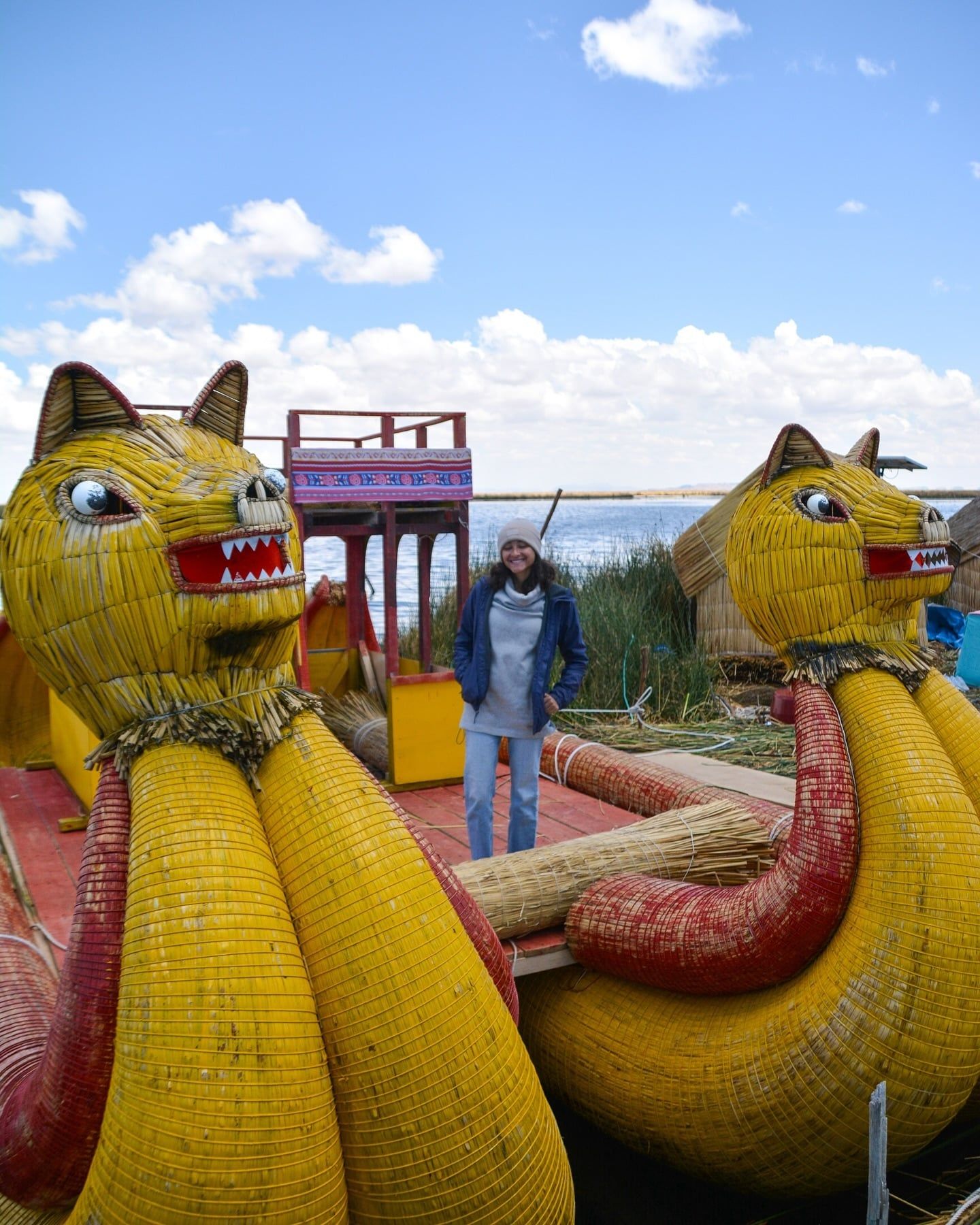
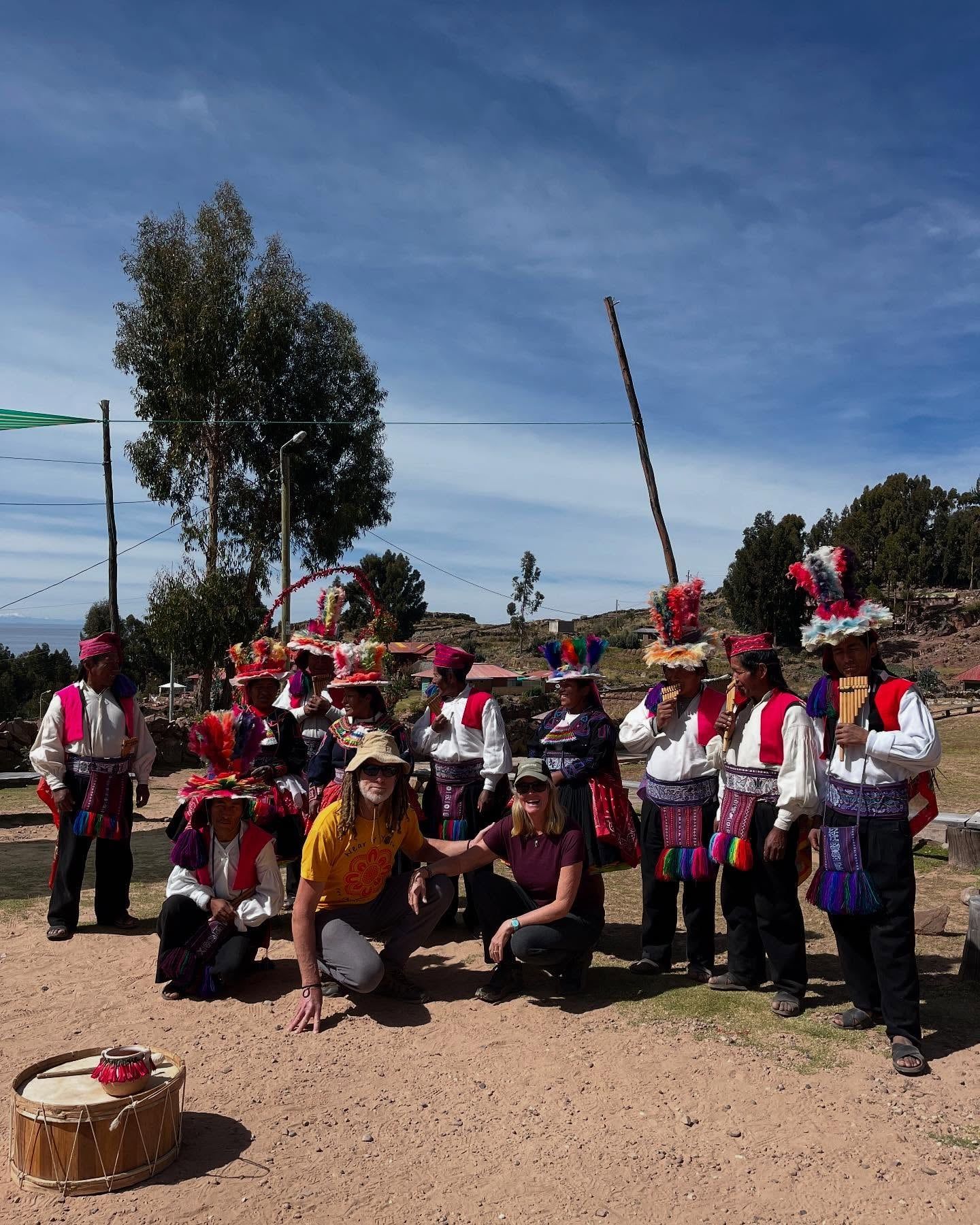
Traveling from Cusco to Lake Titicaca is an unforgettable journey through the high Andes, taking you from the former Inca capital to the world's highest navigable lake. You can expect stunning alpine scenery during the transit, followed by deep cultural immersion as you explore ancient ruins and unique island communities living exactly as they have for centuries.
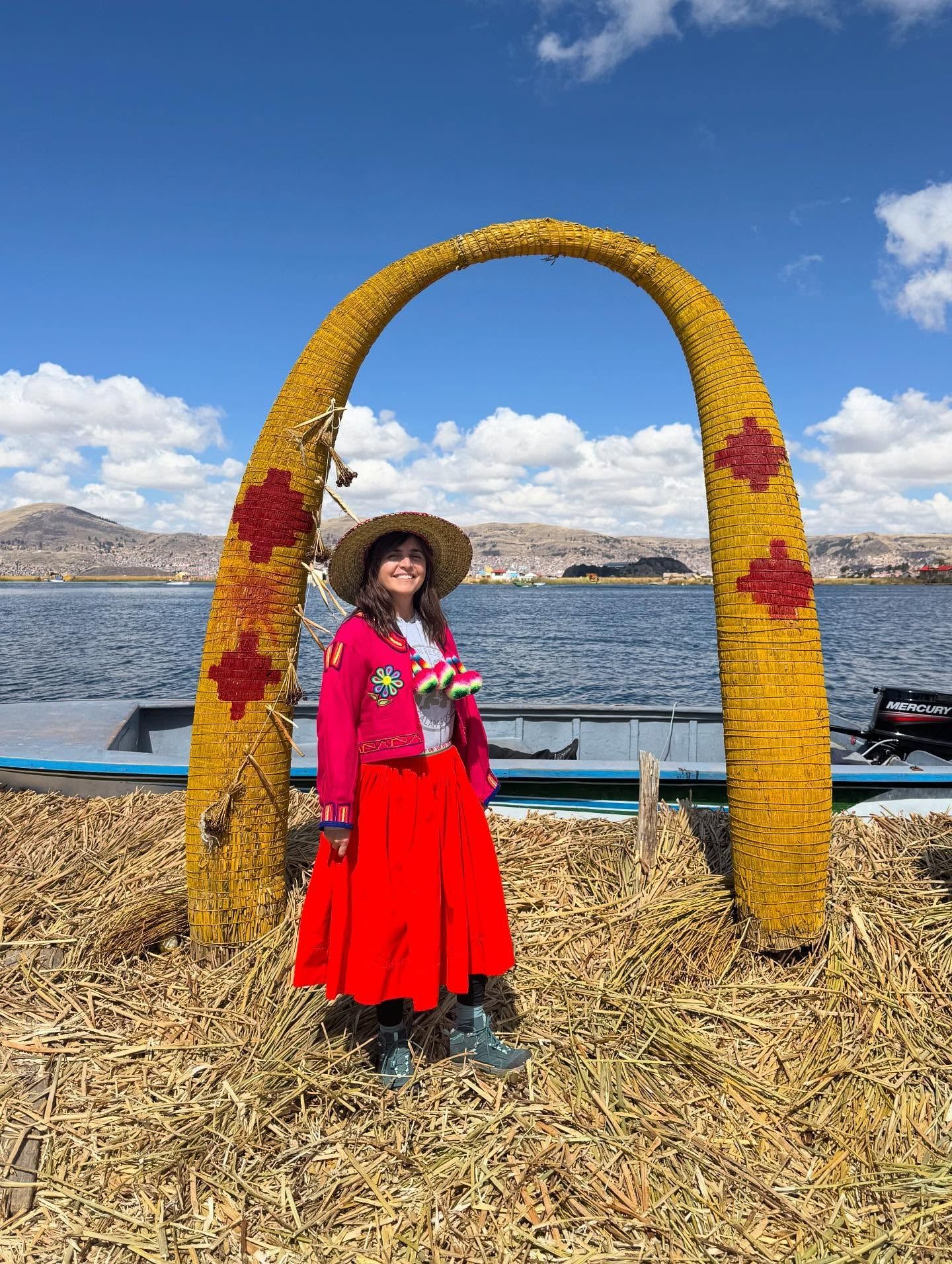
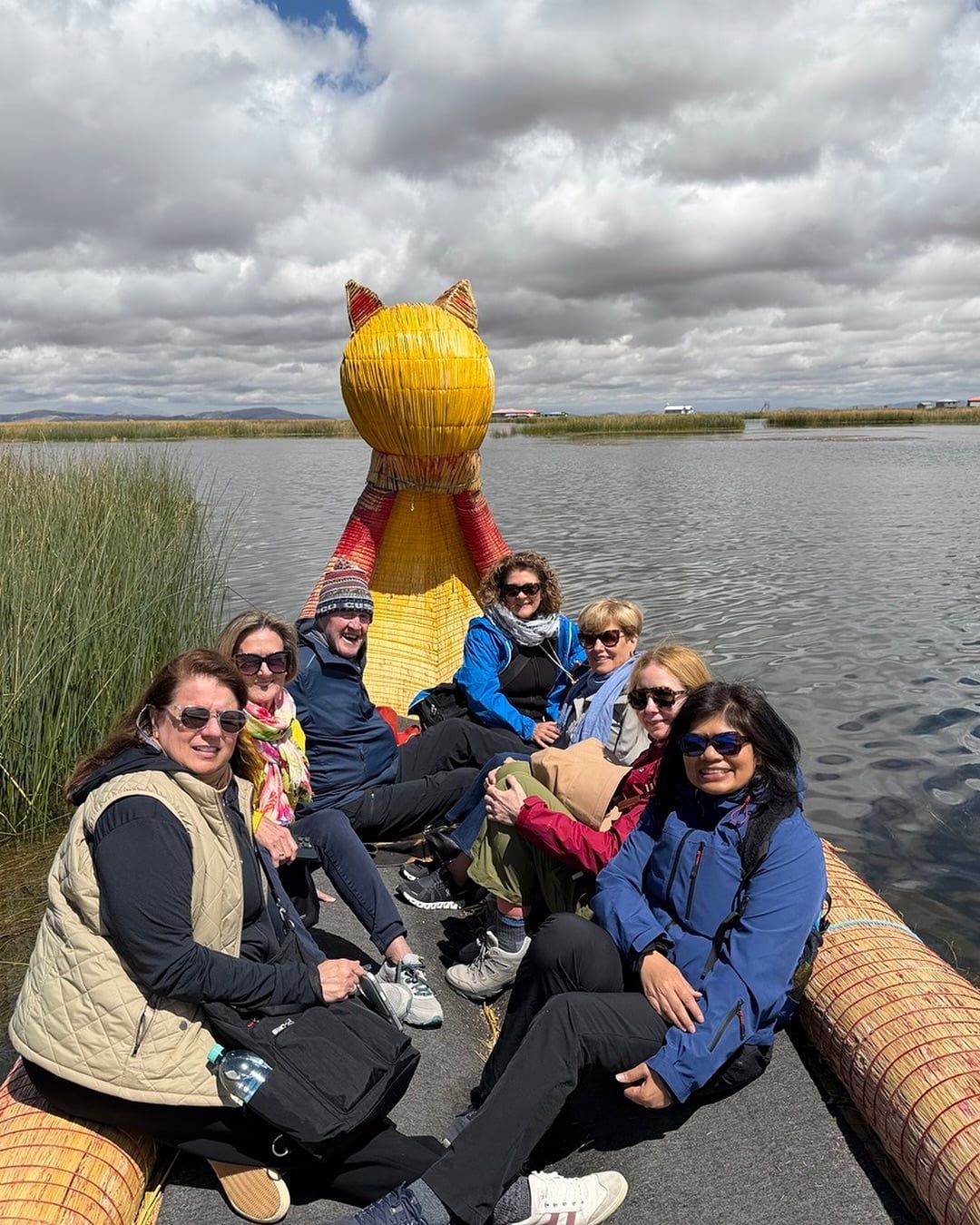
Step onto extraordinary man-made islands built entirely from layers of native totora reeds. You will see firsthand how the indigenous Uru people construct their homes and boats on these springy, buoyant platforms.
Walk along terraced hillsides and historic stone archways on this scenic island. It is famous for a UNESCO-recognized textile tradition where local men begin learning to knit complex patterns at just eight years old.
Spend the night with a local family in a traditional mud-brick home. You can help with daily agricultural chores, eat fresh lake trout, and experience authentic Andean life without modern distractions.
Many tours turn the drive from Cusco to Puno into a full-day adventure. You will stop at impressive sites along the way, including the colonial church in Andahuaylillas and the massive Inca ruins of Raqchi.
Explore ancient archaeological sites surrounding the lake, like the Sillustani cemetery. Here, you will find impressive cylindrical stone towers reaching up to 40 feet high, built by the Kolla civilization.
Planning a trip from Cusco to Lake Titicaca requires some logistical foresight due to the massive distance and extreme altitude. Here are the essential details to review before reserving your tour.
Options range from quick full-day sightseeing trips to comprehensive 6-day packages that include Machu Picchu. If you want cultural immersion, look for the 2-day or multiday tours that feature an overnight homestay on Amantani Island.
Lake Titicaca sits at a breathtaking 3,812 meters (12,507 feet) above sea level. Even if you have spent time in Cusco, the lake is significantly higher, so you should expect to take things slow and drink plenty of coca tea to avoid altitude sickness.
Pay close attention to how the tour handles transportation. Some tours include a scenic daytime bus ride (the Sun Route), while others use overnight buses. The journey covers 389 kilometers and takes at least 7 hours by road.
Check the fine print before booking. Shorter 1-day or 2-day excursions often offer free cancellation up to 24 hours in advance. However, larger multi-day packages and Sun Route transit tours frequently have strict 'all sales are final' policies.
If you book a homestay tour, expect very basic accommodations. Islands like Amantani and Taquile have no cars, limited running water, and rely mostly on small solar panels for electricity. Bring a power bank and a flexible mindset.
The high-altitude sun is intense, making long sleeves, wide-brimmed hats, and high-SPF sunscreen mandatory. However, nighttime temperatures regularly drop below freezing, so high-quality thermal layers and a warm jacket are equally essential.
While admission to the lake itself is free, specific islands and trailheads charge local fees (typically 30 soles for foreigners). Most guided tours include these community entrance fees in the upfront price, but you should carry small soles just in case.
| Full-Day Express Tour | 2-Day Homestay Tour | Sun Route Transit Tour | 6-Day Comprehensive Package | |
|---|---|---|---|---|
| Duration | 72 hours (includes transit time) | 96 hours (includes transit time) | 48 hours | 144 hours |
| Best for | Travelers on a tight schedule | Deep cultural immersion | History and scenery lovers | First-time visitors to Peru |
| Key Inclusions | Bus transit, Uros/Amantani boat tour, guide, lunch | Local family accommodation, meals, guided island tours | Guided stops at Raqchi/Andahuaylillas, hotel in Puno, boat tour | Machu Picchu, Sacred Valley, Sun Route, Titicaca islands, hotels |
| Price from | $86 | $109 | $231 | $799 |
Lake Titicaca itself is a natural body of water and is technically open 24/7, year-round. However, tourist activities are strictly tied to daylight hours and boat schedules.
Keep in mind that the transit from Cusco to Puno takes a full day (or night), so you will usually arrive in Puno outside of normal tour hours and start your lake exploration the following morning.
Traveling from Cusco to Lake Titicaca (via the city of Puno) covers a distance of 389 kilometers. You have three main options:
The ideal time to visit Lake Titicaca is during the dry season from May to October. The peak months of June to August offer the most reliable weather, with clear skies, daytime temperatures around 15°C to 20°C, and excellent visibility for photography.
You should try to avoid the rainy season from November to April. January and February are the worst months for weather, bringing heavy downpours, lightning, and muddy trails. However, if you do visit in February, you can witness the massive Candelaria Festival in Puno, which features over 300 traditional dances and vibrant costumes.
Accessibility around Lake Titicaca requires careful planning. Wheelchair travel is highly challenging because standard tour boats are not accessible; boarding often requires navigating steep stairs and narrow, wobbly platforms. However, specialized agencies like Amazing Peru offer customized tours with portable ramps and personal assistants.
For elderly visitors, the primary challenge is the extreme altitude of 3,812 meters (12,507 feet). Walking on islands like Taquile involves steep stone paths. A very slow pace and pre-arranged private transport are highly recommended to avoid overexertion.
Facilities vary drastically depending on where you are on the lake. In the city of Puno, you will find standard modern amenities, ATMs, and comfortable hotels. Once you leave the mainland, things change quickly:
Local laws and community rules are strictly enforced to protect the environment and indigenous cultures of Lake Titicaca.
The most common way is taking a bus from Cusco to Puno, which covers 389 kilometers and takes about 7 hours. You can also book the luxury PeruRail Titicaca train, which takes 10.5 hours, or take a guided 'Sun Route' tourist bus that stops at historical sites along the way.
Many multi-day tours and specific transit tours do include the bus ride from Cusco. However, if you book a standard 'Full-Day Lake Titicaca Tour', you may need to arrange your own transport to Puno first. Always check the 'inclusions' list on your specific booking.
Yes, Lake Titicaca sits at an extreme elevation of 3,812 meters (12,507 feet). Even if you have acclimatized in Cusco, the lake is higher, so you should rest for your first 24 to 48 hours, eat light meals, and drink coca tea.
The Sun Route is a popular scenic transit option between Cusco and Puno. Instead of driving directly, a tourist bus makes guided stops at notable sites like the colonial church in Andahuaylillas, the Inca ruins of Raqchi, and the La Raya mountain pass.
While it is not strictly forbidden, swimming is highly discouraged. The water is freezing, with an average surface temperature of 14°C (55°F), which can quickly lead to hypothermia and physical exhaustion at such a high altitude.
Most guided tours include the community entrance fees (usually around 30 soles) for the Uros and Taquile islands in their upfront price. However, it is always smart to carry small denominations of Peruvian soles just in case.
The indigenous Uros people build their islands by stacking thick layers of organic totora reeds, which grow naturally in the shallow parts of the lake. They constantly add fresh reeds to the top as the bottom layers rot away.
You need warm thermal layers, a jacket, and a beanie, as nighttime temperatures regularly drop below freezing. Also bring high-SPF sunscreen, a wide-brimmed hat, a power bank (electricity is scarce), and cash in soles.
No, there are absolutely no cars, hotels, or modern machines allowed on islands like Taquile and Amantani. You will have to walk everywhere on steep stone paths, and all agricultural work is done by hand.
It varies by operator. Shorter 1-day or 2-day tours often allow free cancellation up to 24 hours before departure. However, multi-day packages and Sun Route transit tours frequently have strict 'all sales are final' policies with no refunds.
Browse verified tours with free cancellation and instant confirmation.
Find Tours

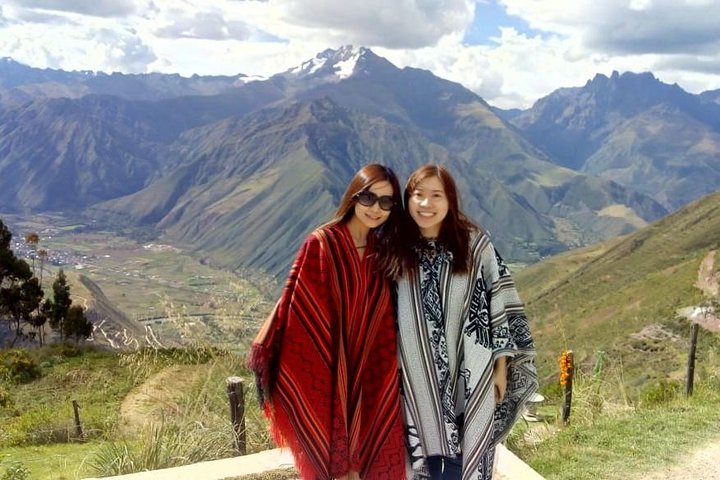
This six-day small-group tour covers the essential landmarks of the Peruvian Andes. Starting in Cusco, you will travel through the Sacred Valley to visit the Pisac Market and the Ollantaytambo ruins along the Urubamba River. The itinerary includes a guided visit to Machu Picchu and a trip to Lake Titicaca to see the floating Uros and Taquile islands. The tour includes 3-star hotel accommodations, most meals, and all necessary entrance fees. All transportation is provided, including airport transfers in Cusco and travel between each site, to ensure a smooth transition throughout the trip.
All sales are final. No refund is available for cancellations.
English, Spanish


This full-day boat excursion explores Lake Titicaca, the world’s highest navigable lake. The journey begins at the Uros floating islands, man-made structures built entirely from native totora reeds. You will have the opportunity to walk on these buoyant platforms and see how the local families maintain their homes and traditions on the water. The tour then continues to the island of Amantani, a remote community known for its terraced hillsides and traditional stone architecture. You will spend time with the local residents to learn about their history and daily life before heading back across the lake. This trip provides a direct look at two distinct island cultures within the high-altitude landscape of the Andes.
For a full refund, cancel at least 24 hours before the scheduled departure time.
English, Spanish


This two-day excursion takes you from Cusco to the high-altitude waters of Lake Titicaca to visit the Uros floating islands and the remote community of Amantani. After exploring the reed islands, you will travel further across the lake to Amantani, where you’ll spend the night as a guest in a local home. This stay offers a direct look at the island's traditional farming practices and customs that have remained largely unchanged for centuries. The tour is designed as a round-trip from Cusco, utilizing overnight buses for the first and last legs of the journey. This allows you to maximize your time on the water and experience the quiet atmosphere of the island after the day-trippers have left.
For a full refund, cancel at least 24 hours before the scheduled departure time.
English, Spanish


This trip turns the drive from Cusco to Puno into a full day of exploration through the Andes. Instead of a direct transfer, you will stop at the colonial church in Andahuaylillas and the sprawling Inca ruins of Raqchi. A professional guide leads these visits, providing historical context for the transition between the Cusco valley and the high-altitude Altiplano. After spending the night in Puno, the tour continues onto Lake Titicaca. You will visit the Uros Floating Islands and Taquile Island, where you can meet local families and observe traditional weaving techniques. The itinerary is designed to be unhurried, allowing for genuine interaction with the communities and a better understanding of life on the lake before completing the journey.
All sales are final. No refund is available for cancellations.
English, Spanish


This journey begins on the high-altitude waters of Lake Titicaca with a visit to the Uros floating islands. These unique platforms are built and maintained entirely from totora reeds. You will meet the residents to learn how they construct their homes and navigate the lake using traditional reed boats. From Uros, you travel to Amantani Island for an overnight stay. A local family will host you in their home, sharing traditional meals and their daily way of life. This stay offers a direct connection to the island's culture and a chance to experience the quiet landscape of the Andean highlands. The final day is spent on Taquile Island, known for its UNESCO-recognized textile traditions. You will walk the island’s stone trails, observe the local weavers at work, and take in views of the Cordillera Real mountains before returning to Puno.
For a full refund, cancel at least 24 hours before the scheduled departure time.
English, Spanish