
About All Tours Boat ToursSun Island Tours2-Day ToursFrom Cusco ToursFrom La Paz ToursAnd Machu Picchu Tours Directions Hours & Fees
Find Tours 
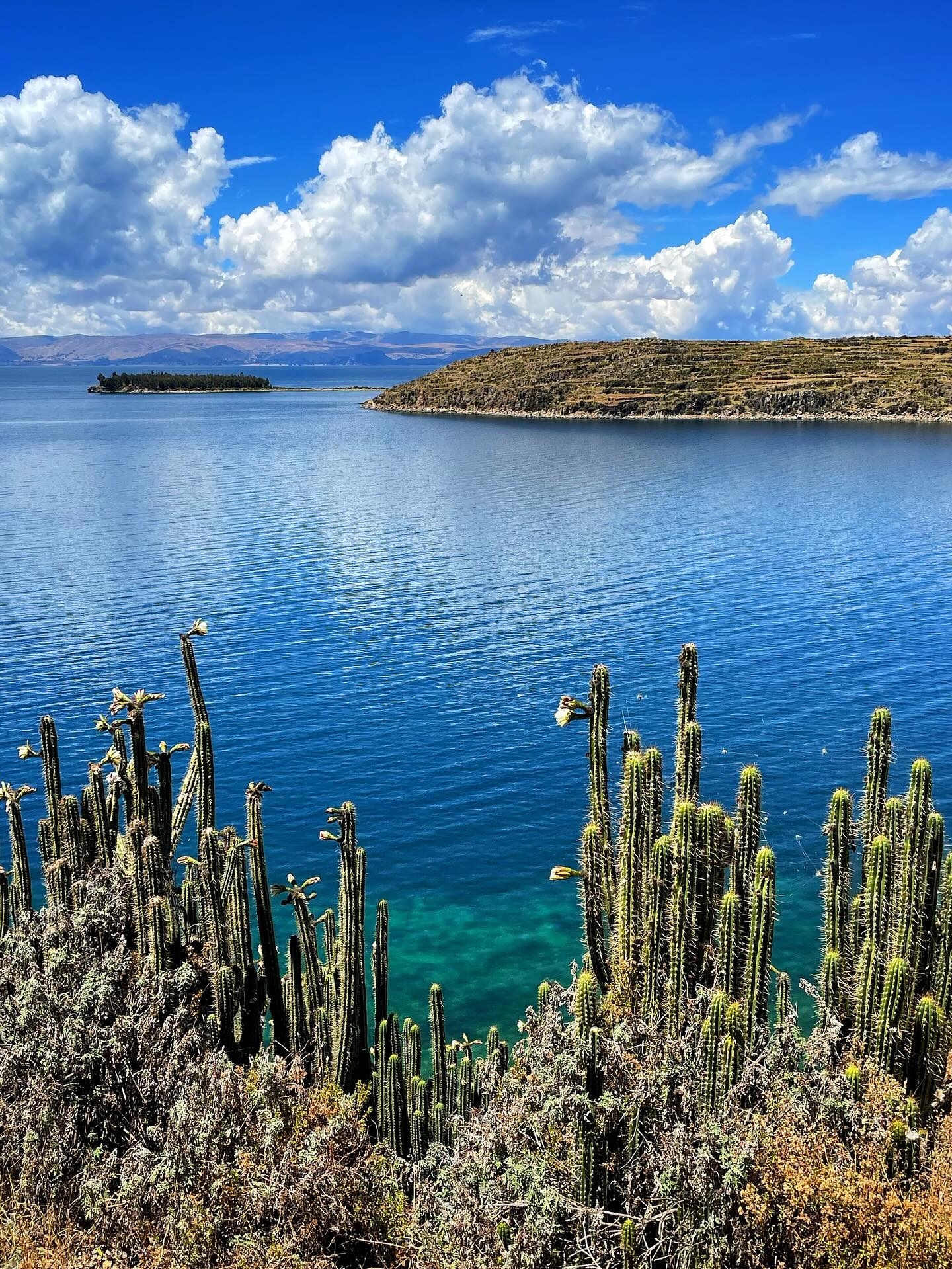
Situated at an elevation of 3,812 meters, Lake Titicaca covers over 8,300 square kilometers along the border of Peru and Bolivia. Visitors can navigate to more than 40 distinct islands across these deep blue waters, observing the man-made floating totora reed homes of the indigenous Uros people.
Find Guided ToursLake Titicaca is an ancient body of water located on the border of Peru and Bolivia in the Andes mountains. Sitting at an elevation of 3,812 meters (12,507 feet), it is the highest navigable lake in the world for large vessels. The lake covers over 8,300 square kilometers, with 60 percent belonging to Peru and 40 percent to Bolivia. It holds 900 cubic kilometers of water, making it the largest lake in South America. Twenty-seven rivers feed into the lake, which reaches a maximum depth of 284 meters, yet 95 percent of its water is lost to evaporation.
The 800-meter-wide Tiquina Strait divides the area into Lake Grande and Lake Pequeño. Across this expanse lie more than 40 islands. The lake supports 530 aquatic species, including the critically endangered Lake Titicaca water frog, which can weigh over two pounds.
The Aymara and Quechua peoples established agricultural and fishing societies here long before written records. These groups consider the lake highly sacred, viewing it as the birthplace of the sun. Local legend states the Sun sent the first Inca, Manco Capac, and Mama Ocllo down to Earth at Lake Titicaca. When the Incas established their empire around 1100 CE, they integrated the lake into their creation myths and built temples across its islands.
Evidence of older societies lies beneath the surface. In 2000, archaeological divers discovered an ancient underwater temple, confirming civilizations predating the Incas. Above water, the indigenous Uros people maintain their centuries-old tradition of living on man-made floating islands. They construct these settlements entirely by stacking layers of native totora reeds.
Discover the full history and cultural significance on our About page.
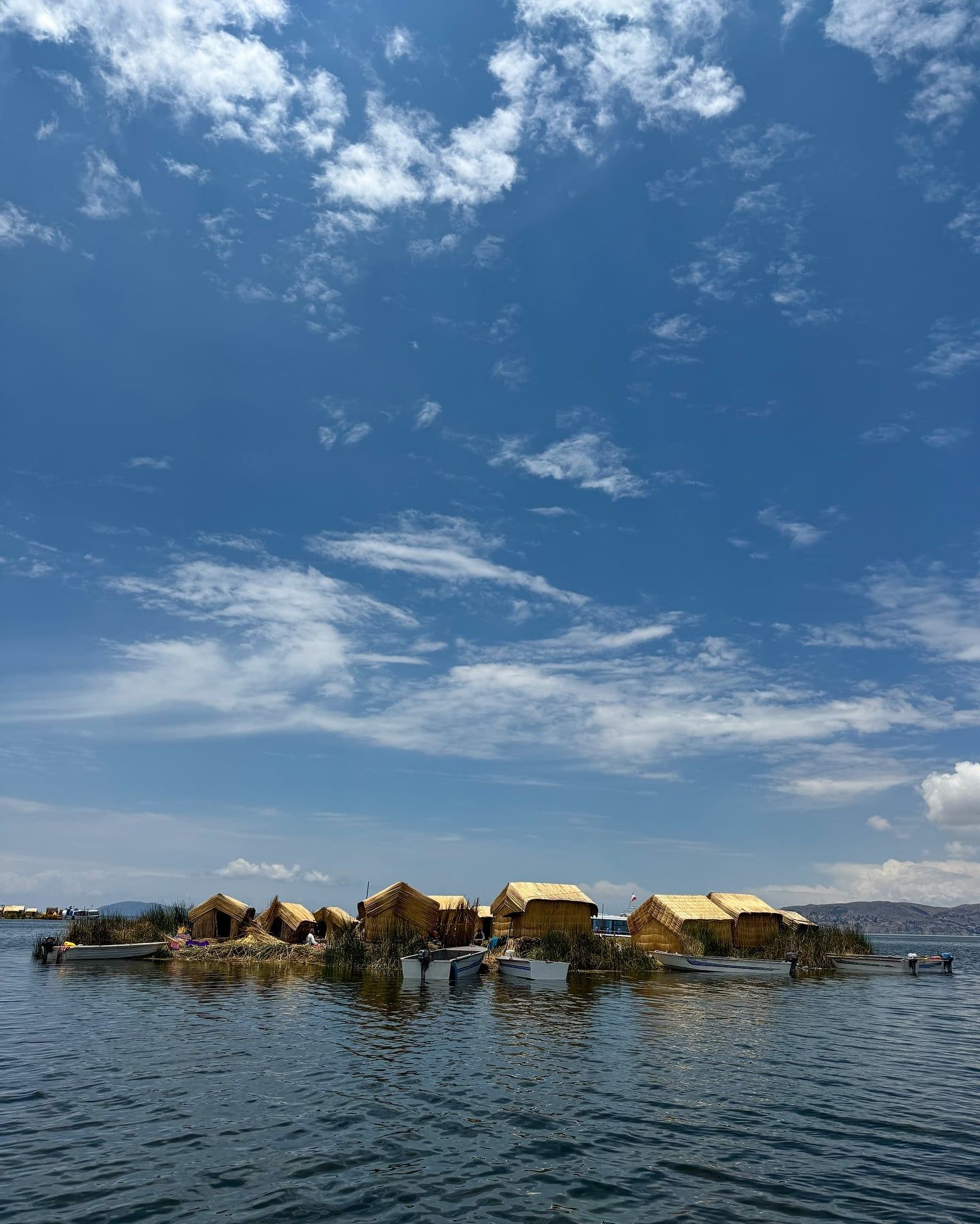
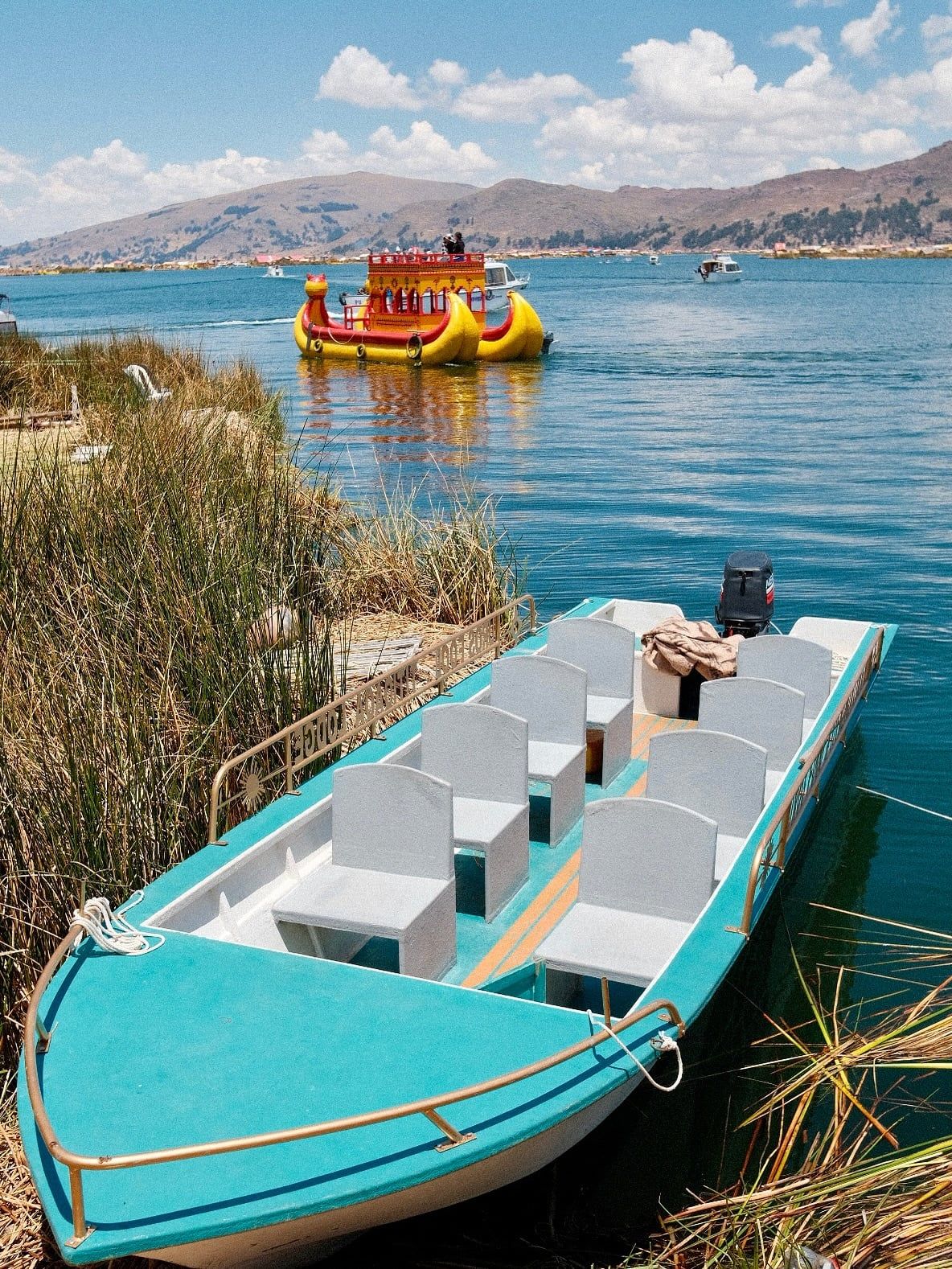
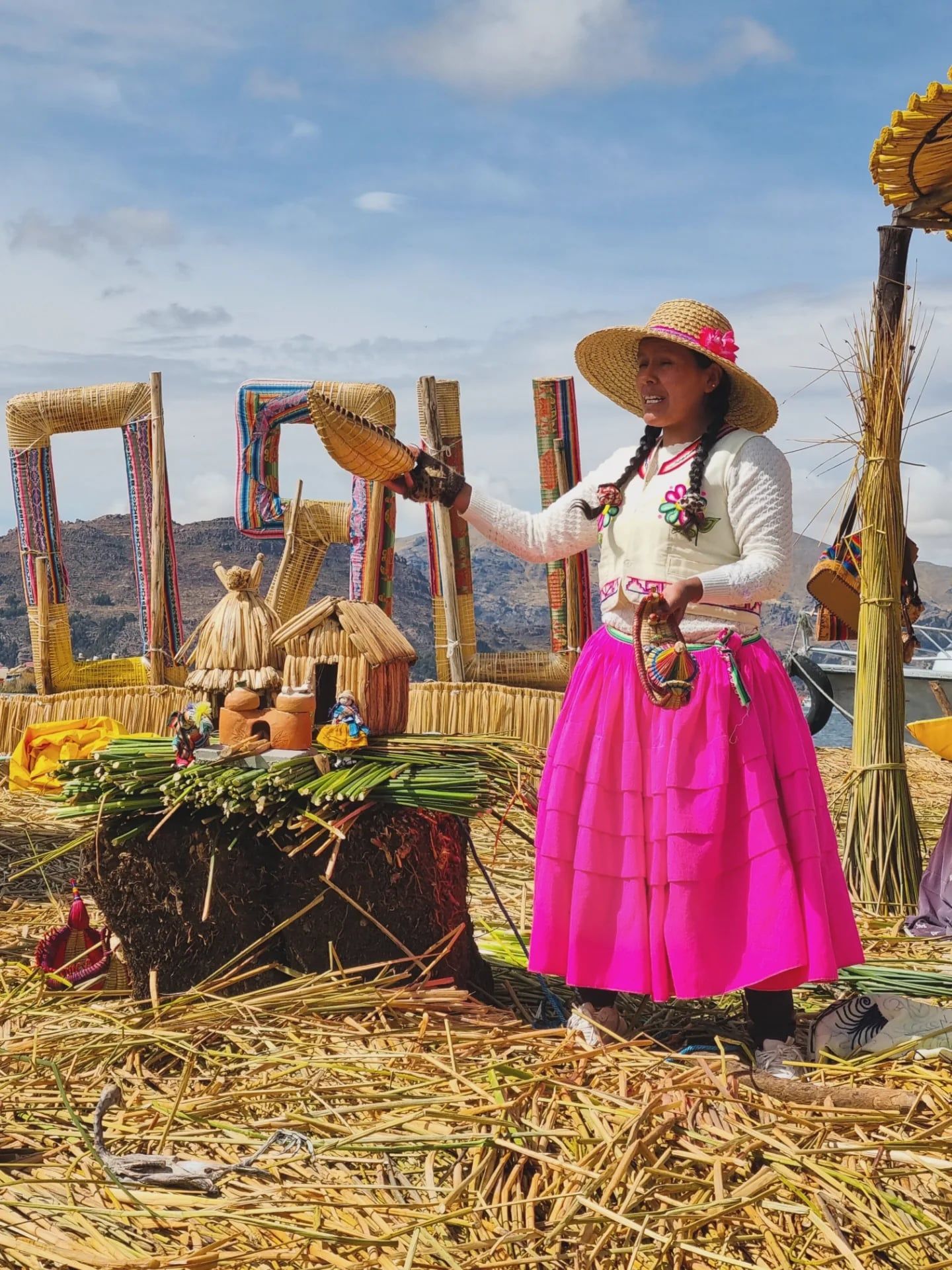
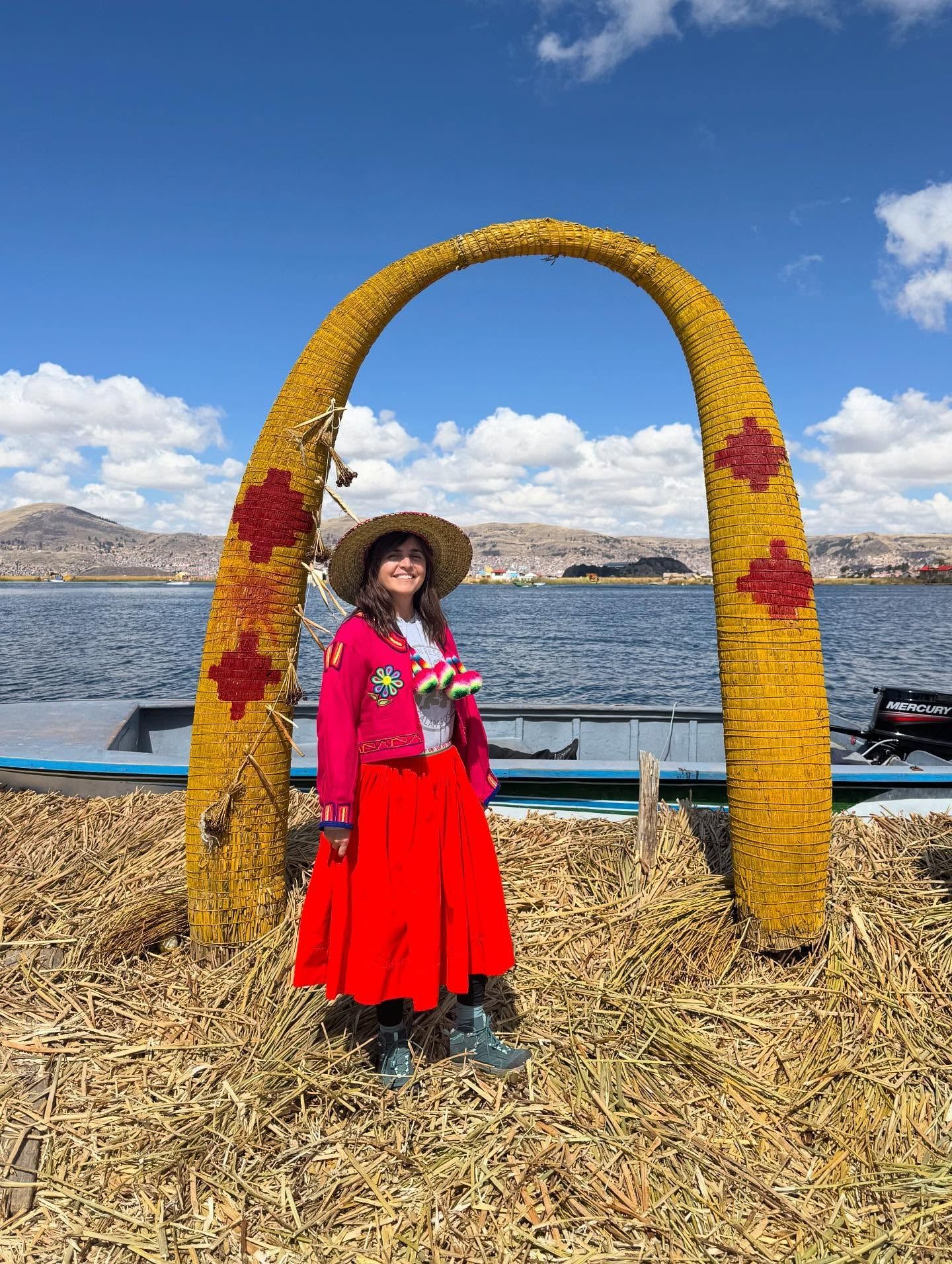
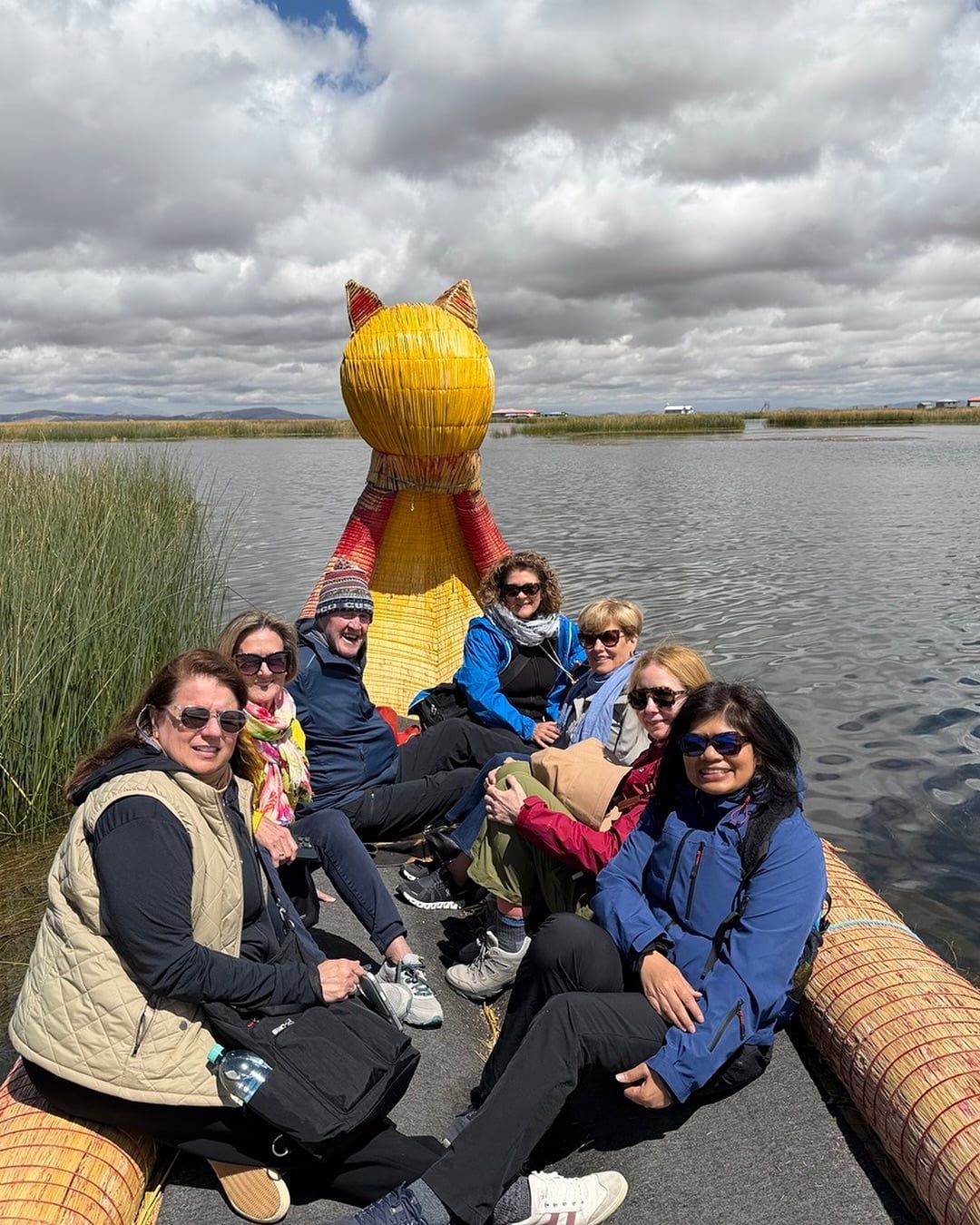
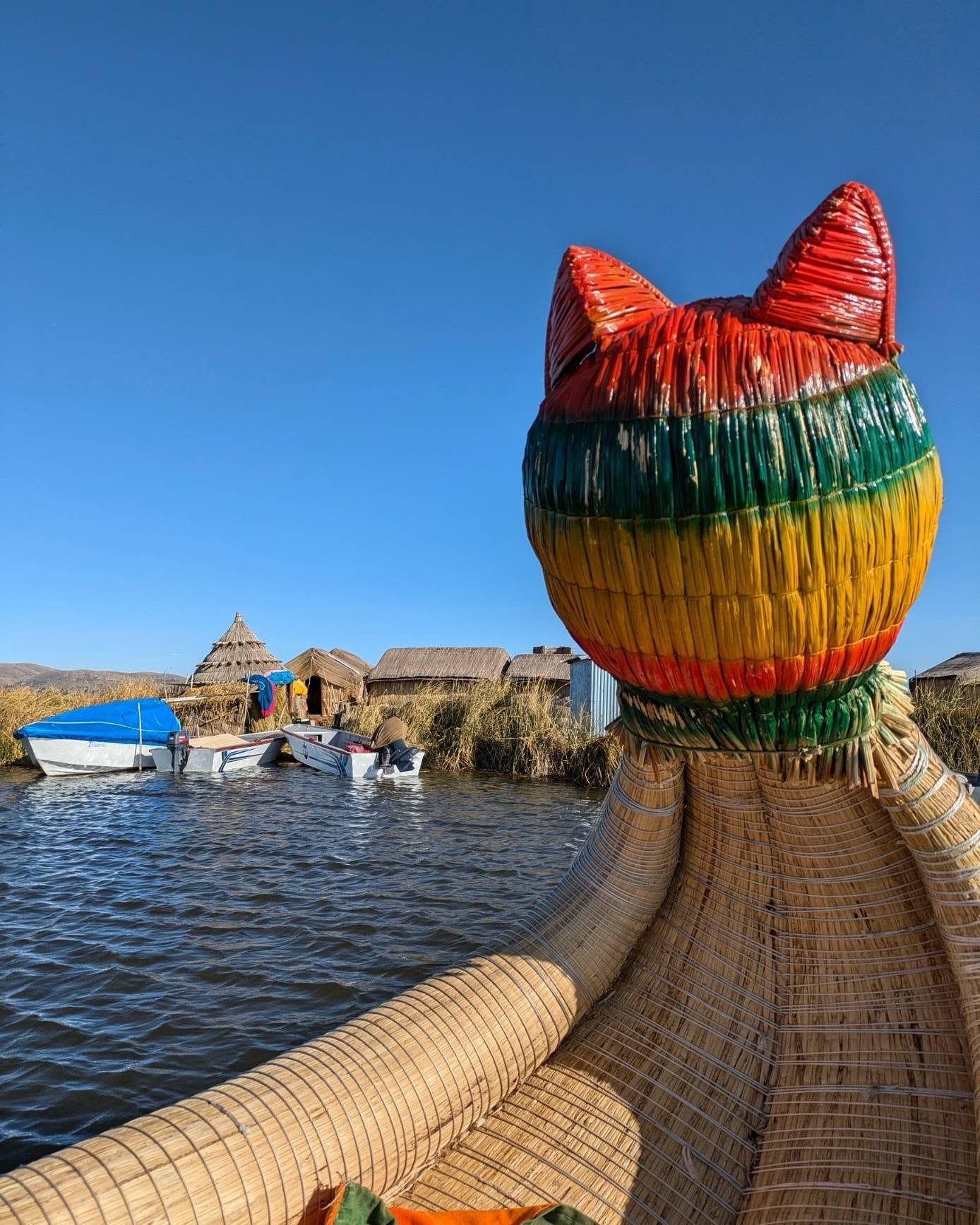
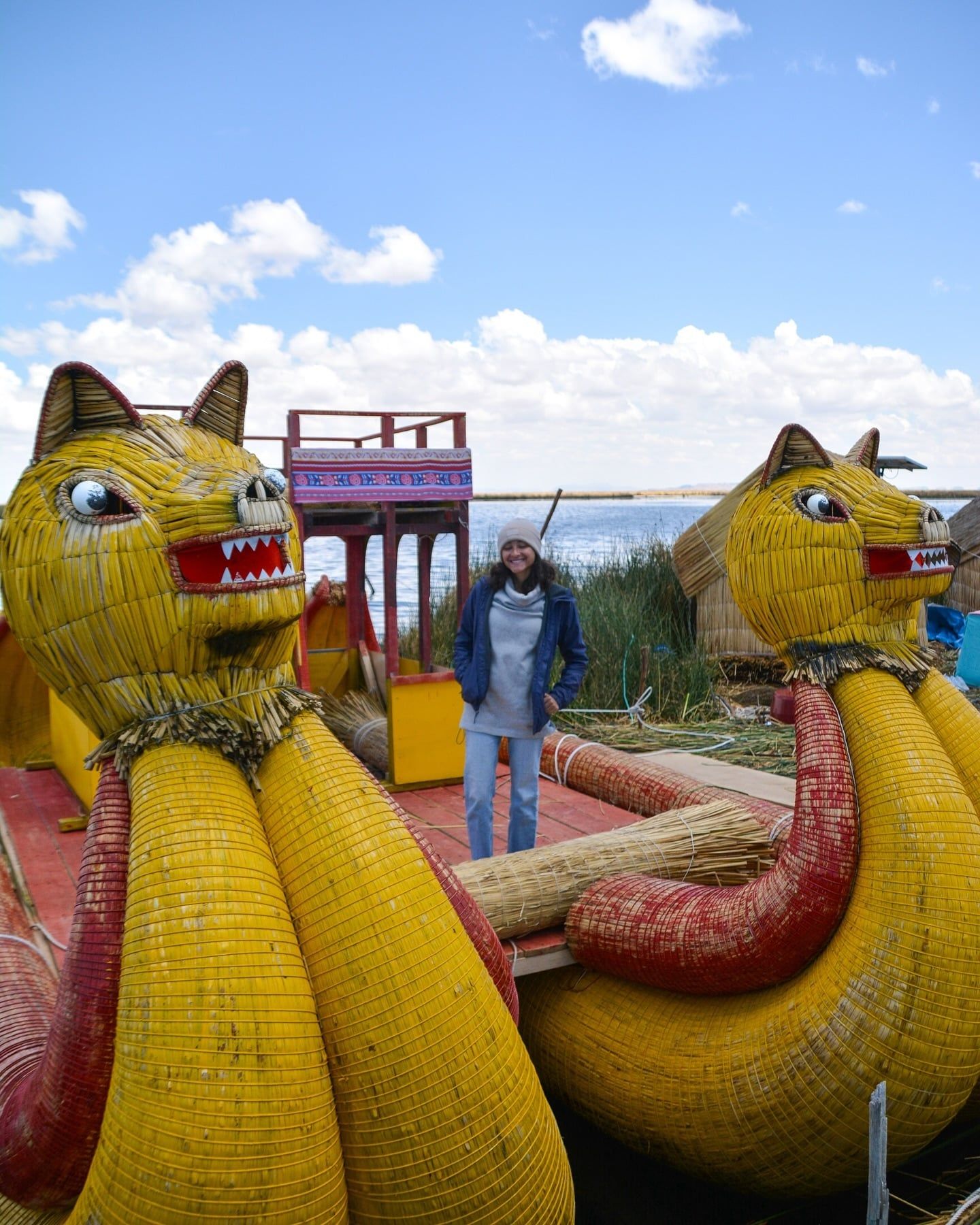
The lake features over 40 islands, but the Uros communities stand out by constructing their floating homes from native totora reeds. Visitors stepping onto these man-made surfaces will notice a unique springy sensation. Residents utilize these same versatile reeds to build roofs, mattresses, and crescent-shaped boats.
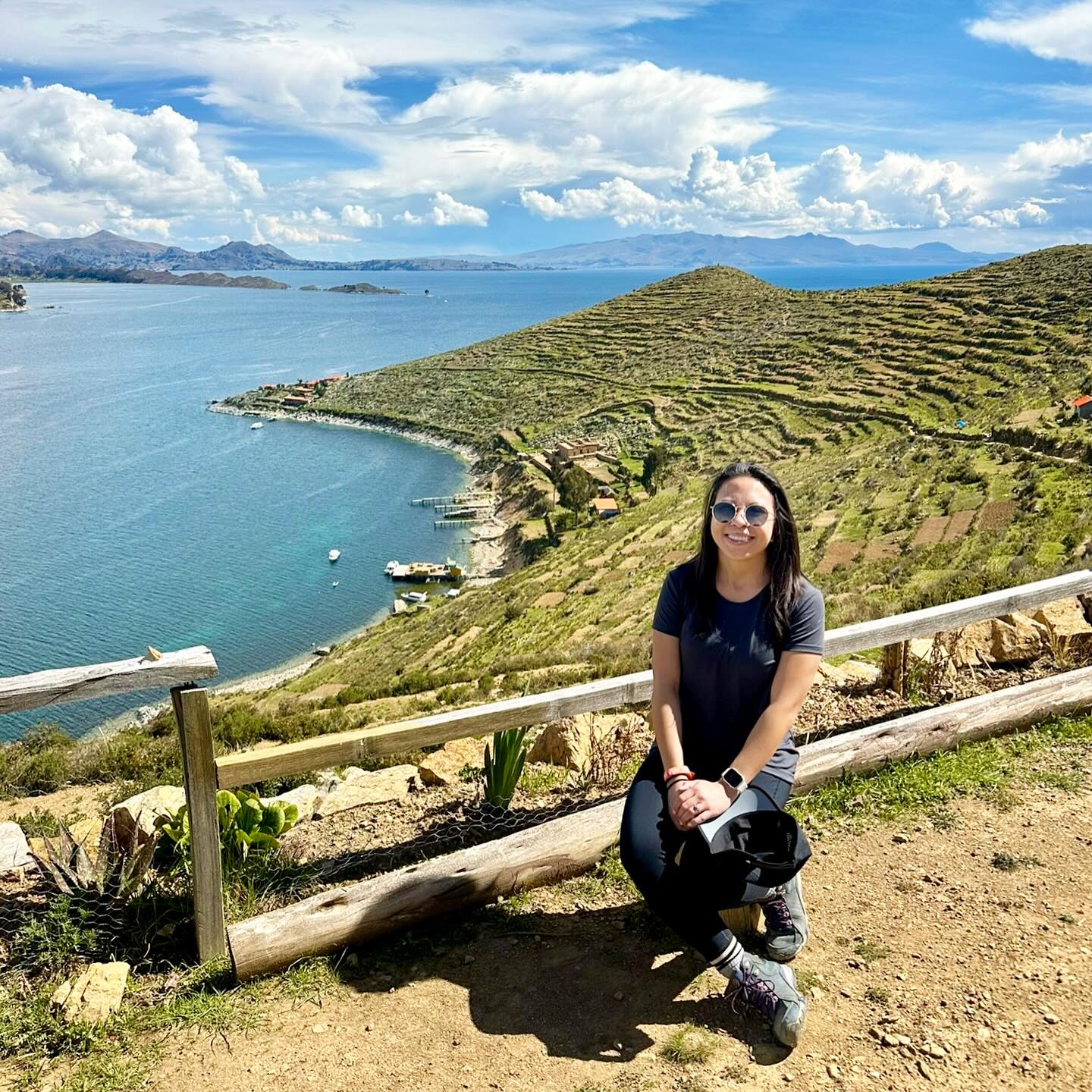
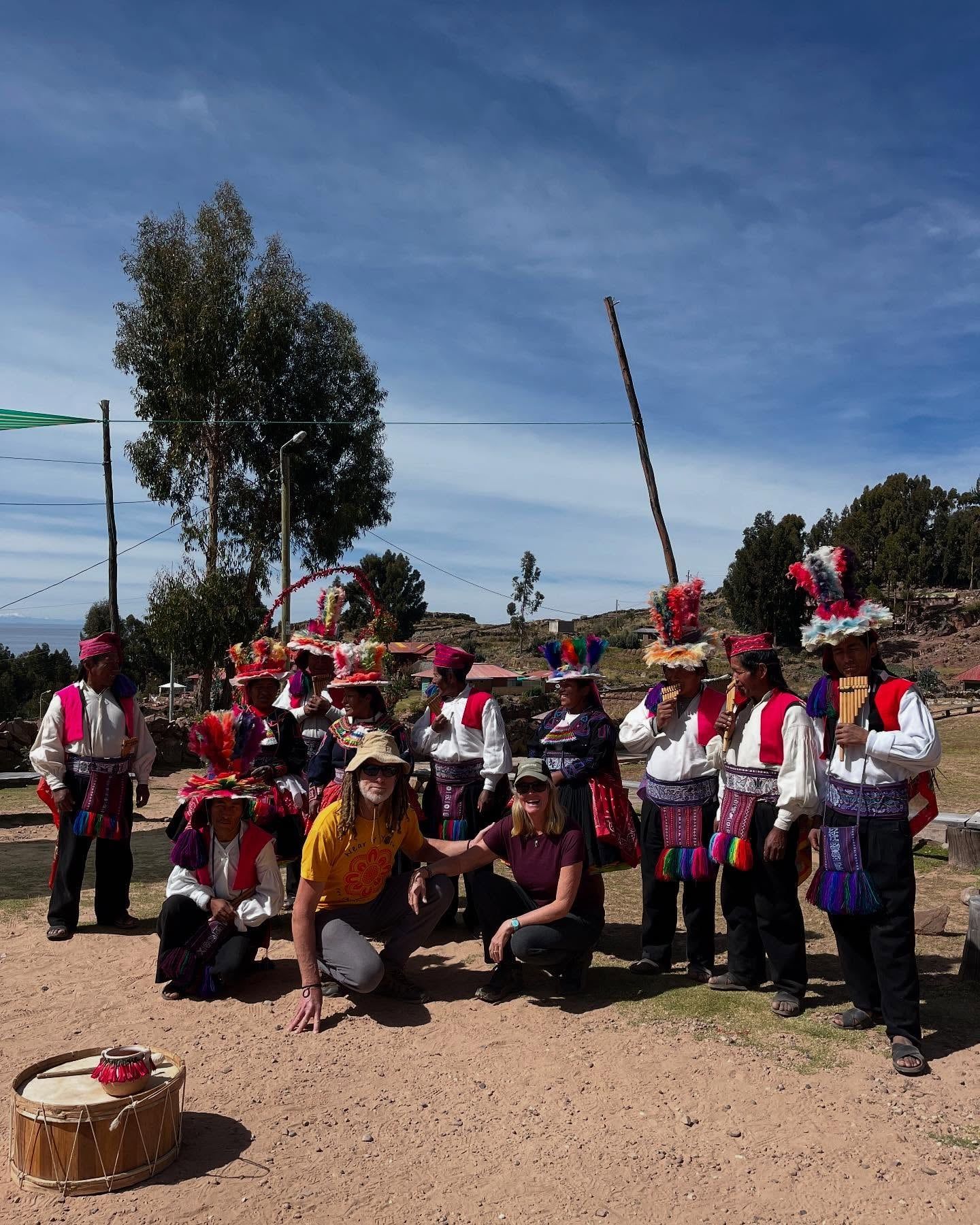
On Taquile Island, men begin learning a UNESCO-recognized knitting tradition at just eight years old. Cars and machines are legally banned here. Locals perform all agricultural work entirely by hand. Walking along the island's terraced hillsides and stone archways reveals expansive views of the deep blue water.
Located 45 minutes from Puno, the pre-Inca necropolis of Sillustani features cylindrical burial towers known as chullpas. The Kolla civilization built these architecturally precise stone structures over 500 years ago. Reaching up to 40 feet high, the monuments dominate the stark landscape along the shores of Laguna Umayo.
Spending the night in a mud-brick home on Amantaní provides direct insight into daily Andean life. Guests share home-cooked meals of fresh lake trout and help with agricultural chores. Electricity is highly limited, leaving you to enjoy quiet, freezing nights at an elevation of 3,812 meters.
Hand-picked tours with free cancellation and verified reviews
 Free Cancellation 9h
  Free Cancellation 9h
  Free Cancellation 48h
  Free Cancellation 9h
  Free Cancellation 48h
  Free Cancellation 72h
  Free Cancellation 3h
  Free Cancellation 9h
 The dry season from May to October is the optimal time to visit Lake Titicaca, with June through August offering the clearest skies. Travelers should generally avoid the rainy season from November to April, when heavy downpours frequently disrupt transportation and trail access.
September and October remain in the dry season, offering clear conditions for exploring the lake. November transitions into the rainy season, bringing an increased risk of downpours and muddy trails.
These months represent the worst time to visit due to heavy downpours, lightning, and poor visibility. February is the peak rainy season, though it also hosts the 18-day Candelaria Festival.
March and April continue to see heavy rain and poor visibility that can close trails. May marks the start of the dry season, bringing clear skies ideal for island tours.
This peak dry season provides excellent visibility and daytime temperatures from 15°C to 20°C. Nighttime temperatures frequently drop below freezing in June and July, while August brings choppy, windy waters.
Lake Titicaca is a public natural site open year-round, 24 hours a day.
| Category | Price |
|---|---|
| General Admission (Lake Titicaca) | Free |
| Foreigners (Specific regional sites or trailheads) | 30 soles |
| Peruvian Nationals (Specific regional sites or trailheads) | 15 soles |
While access to the lake requires no general permit, entrance fees for specific sites must be paid in cash on-site. Boat tickets must be purchased at the docks. Visitors should carry plenty of Peruvian soles in small denominations, as credit cards are rarely accepted by boat operators, small shops, or island communities.
For complete schedules and ticket prices, visit our Hours & Fees page.
Travelers can reach Lake Titicaca by heading to the lakeside city of Puno. Options include long-distance land transport from Cusco or flying into the nearby Juliaca airport from Lima.
Public buses run regularly across the 389-kilometer route between Cusco and Puno. The drive traverses steep, winding mountain roads. Visitors should avoid cheap public buses due to poor safety records and frequent delays. Instead, choose traveler-focused services like Peru Hop or Inka Express for a reliable trip. Always remain highly vigilant of personal belongings while in transit.
PeruRail operates a daylight train service covering the 389 kilometers from Cusco to Puno. This scenic route passes directly through the high Andes mountains. Passengers receive on-board meals and listen to live music during the trip. The service also includes a scheduled stop at the high pass of La Raya. It provides an opulent alternative to standard road travel.
LATAM Airlines provides non-stop flights from Lima to Inca Manco Cápac International Airport in Juliaca. After landing, visitors must travel an additional 45 kilometers, or 28 miles, south to reach Puno. Licensed taxis or local buses are available at the airport to complete this final leg. The drive from Juliaca to Puno takes approximately one hour.
For detailed transport options and routes, visit our Directions page.
Lake Titicaca sits at an elevation of 3,812 meters, making altitude sickness a severe risk. Rest completely for your first 24 to 48 hours and eat light meals. Drink local coca leaf tea to boost energy, and consult a doctor about taking altitude medication before arriving.
The thin atmosphere at 12,500 feet combined with intense water reflection creates an extreme risk of UV damage. Apply high-SPF sunscreen frequently throughout the day. Wear a wide-brimmed hat, polarized sunglasses, and long-sleeved clothing to prevent severe sunburns while out on the water.
Many boat operators, small shops, and island communities do not accept credit cards. Keep plenty of Peruvian soles in small denominations on hand. You will need cash to pay the 30-sole foreigner entrance fee at specific trailheads, buy artisanal souvenirs, and tip local guides.
Always ask for permission before photographing indigenous residents or local authorities. If you arrange a homestay on Amantaní, avoid bringing sugary products. Instead, give useful gifts like cooking oil or school supplies to your host family. Note that machines and cars are legally banned on Taquile Island.
Electricity is completely unavailable or highly restricted on islands like Taquile and Amantaní. Local families rely primarily on small solar panels, candles, or flashlights. Bring extra camera batteries and a fully charged power bank to ensure your electronic devices remain functional during overnight homestays.
Daytime temperatures reach a comfortable 15°C to 20°C during the dry season, but nights on the lake are bitterly cold. Temperatures frequently drop below freezing in June and July. Bring high-quality thermal layers, a warm jacket, gloves, and a beanie to stay safe after sunset.
Located on the shores of Laguna Umayo, Sillustani is a pre-Inca cemetery known for its towering cylindrical stone tombs called chullpas. These impressive structures reach up to 40 feet high.
The small lakeside town of Chucuito contains the Templo de Inca Uyu, an ancient walled complex known as the Temple of Fertility. It features distinct rows of carved stone male genitalia historically used in fertility rituals.
Tiahuanaco served as a major political and spiritual center for the ancient Tiwanaku culture. This UNESCO World Heritage Site contains remarkable stone architecture, including the Akapana pyramid and the massive Ponce monolith.
Read what travelers share about their experience visiting Lake Titicaca — from practical tips to personal highlights.
Admission to the lake itself is free, but specific regional sites and trailheads charge an entrance fee of 30 soles for foreigners and 15 soles for Peruvian nationals. Basic full-day boat tours generally cost between $29 USD and $120 USD per person.
The dry season from May to October provides the best weather, with June through August offering clear skies and peak visibility. Avoid the rainy season from November to April, particularly January and February, as heavy downpours and lightning can cause trails to close.
From Lima, travelers can take a 2.5-hour flight to Juliaca Airport, followed by a 45-kilometer taxi or bus ride to Puno. From Cusco, you can take a 7-hour public bus covering 389 kilometers with tickets starting at $20 USD, or book a 10.5-hour scenic train ride.
Pack high-SPF sunscreen, a wide-brimmed hat, and polarized sunglasses to protect against intense high-altitude UV rays. Bring thermal layers and a warm jacket, as nighttime temperatures frequently drop below freezing. You should also carry Peruvian soles in small denominations since many island communities do not accept credit cards.
Standard tour boats are not wheelchair accessible due to steep stairs and narrow boarding platforms. Specialized agencies like Amazing Peru provide customized tours equipped with portable ramps, personal assistants, and accessible hotel accommodations to help visitors navigate the region safely.
No general permit is required to visit the lake, but you must purchase boat tickets at the local docks. If you plan a multi-day trip with a homestay on Amantaní island, you must arrange it through an authorized tour guide who follows specific community tourism codes.
Lake Titicaca sits at an extreme elevation of 3,812 meters (12,507 feet), which poses a severe risk of altitude sickness. Visitors should spend their first 24 to 48 hours resting, eating light meals, and drinking local coca leaf tea to acclimatize properly.
A quick sightseeing trip takes about 3 to 5 hours, while standard full-day boat tours require 12 to 14 hours. For a comprehensive visit that includes an island homestay, plan to spend 2 to 3 days exploring the area.
Browse verified tours with free cancellation and instant confirmation.
Find Tours