About All ToursBoat ToursSun Island Tours2-Day ToursFrom Cusco ToursFrom La Paz ToursAnd Machu Picchu Tours Directions Hours & Fees
Find Tours 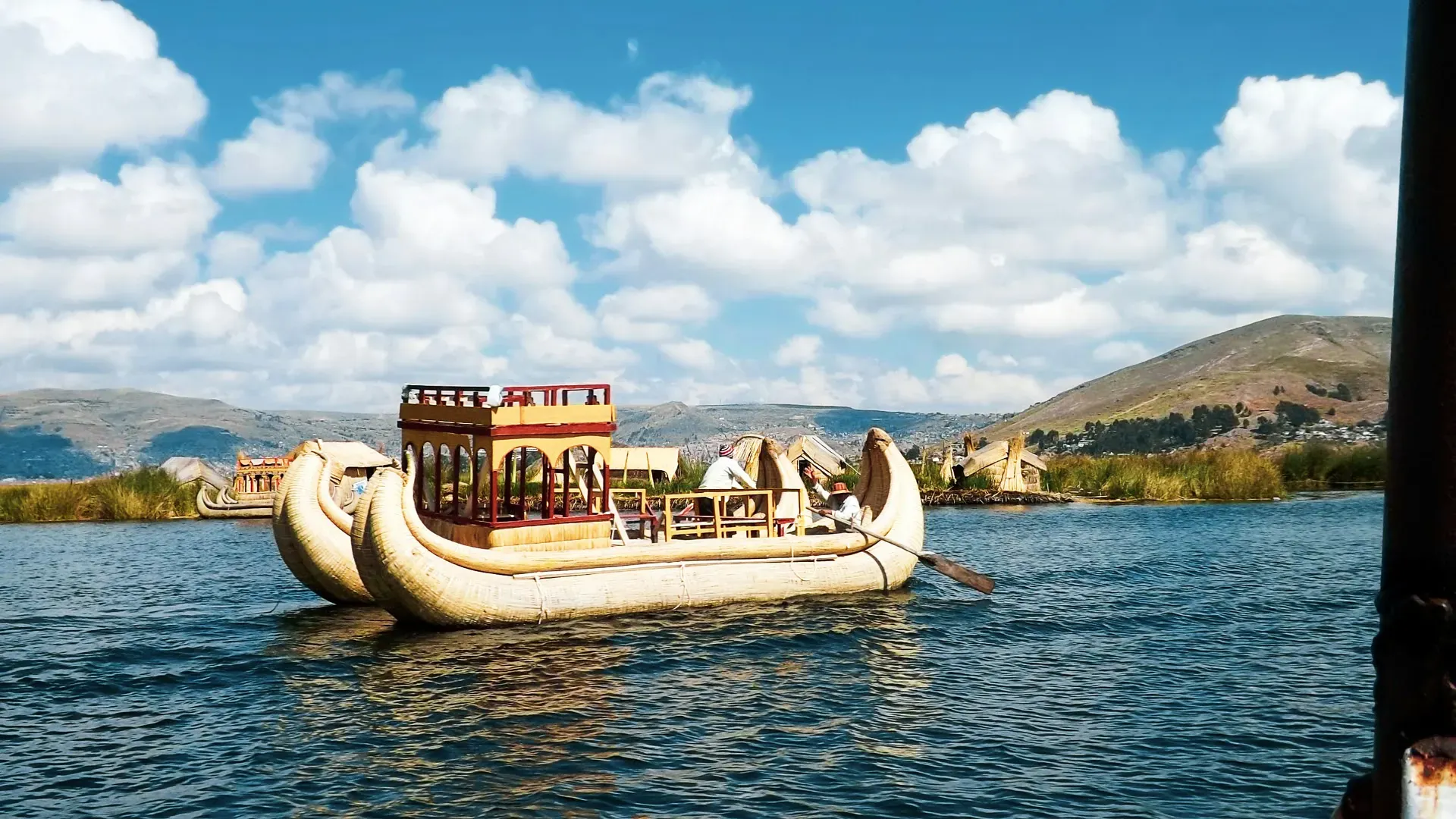
Explore the high-altitude waters of Lake Titicaca with guided boat trips to the floating Uros islands, Taquile, and Amantani. Choose from half-day sightseeing cruises, full-day speedboat excursions, or multi-day homestay experiences departing from Puno, Cusco, or La Paz.
 Free Cancellation
 Visit the Uros floating islands and Taquile by fast boat on a full-day tour including lunch and guided cultural walks.
 Free Cancellation
 Visit the ancient floating reed islands of Uros and meet the local community on Amantani Island.
 Free Cancellation
 Spend two days on Lake Titicaca visiting the Uros, Amantani, and Taquile islands with an overnight local homestay.
 Free Cancellation
 Explore the floating Uros islands and Taquile's ancient traditions by speedboat with experienced local guides.
 Free Cancellation
 A two-day trip from La Paz to Lake Titicaca, featuring a boat crossing and an overnight stay on Isla del Sol.
 Free Cancellation
 Visit the Uros floating islands and Amantani on a full-day boat trip across the world's highest navigable lake.
 Free Cancellation
 Explore the floating Uros Islands on a 3-hour boat tour from Puno to learn about local life and reed construction.
 Free Cancellation
 Visit the high-altitude islands of Uros and Taquile to learn about traditional life and customs on Lake Titicaca.
 Free Cancellation
 Visit Lake Titicaca’s floating islands and stay overnight with an indigenous community on Amantani Island.
 Free Cancellation
 Explore Tiwanaku’s ancient stonework and the shores of Lake Titicaca on this comprehensive 8-hour guided tour.
Read what travelers share about their experience visiting Lake Titicaca — from practical tips to personal highlights.
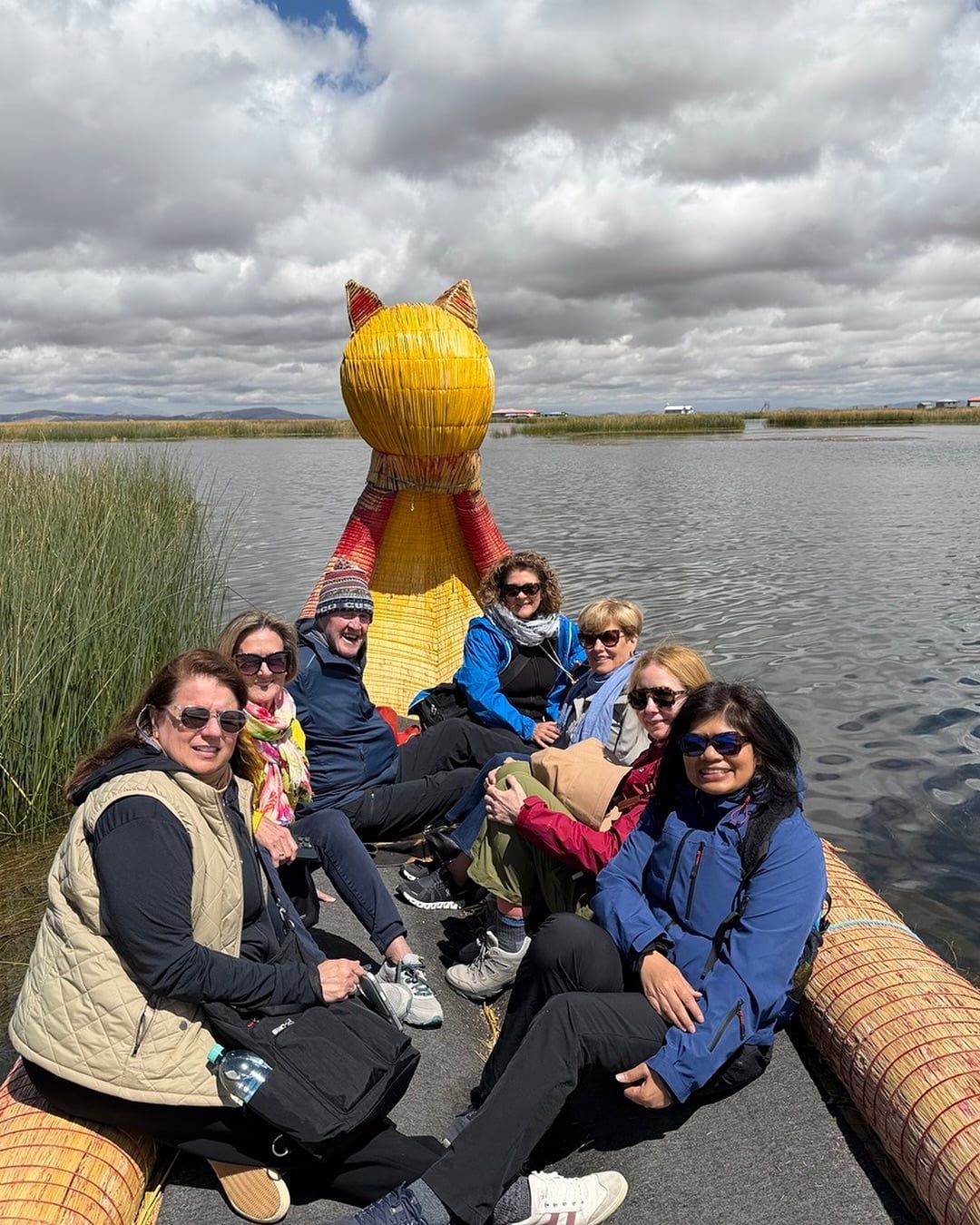
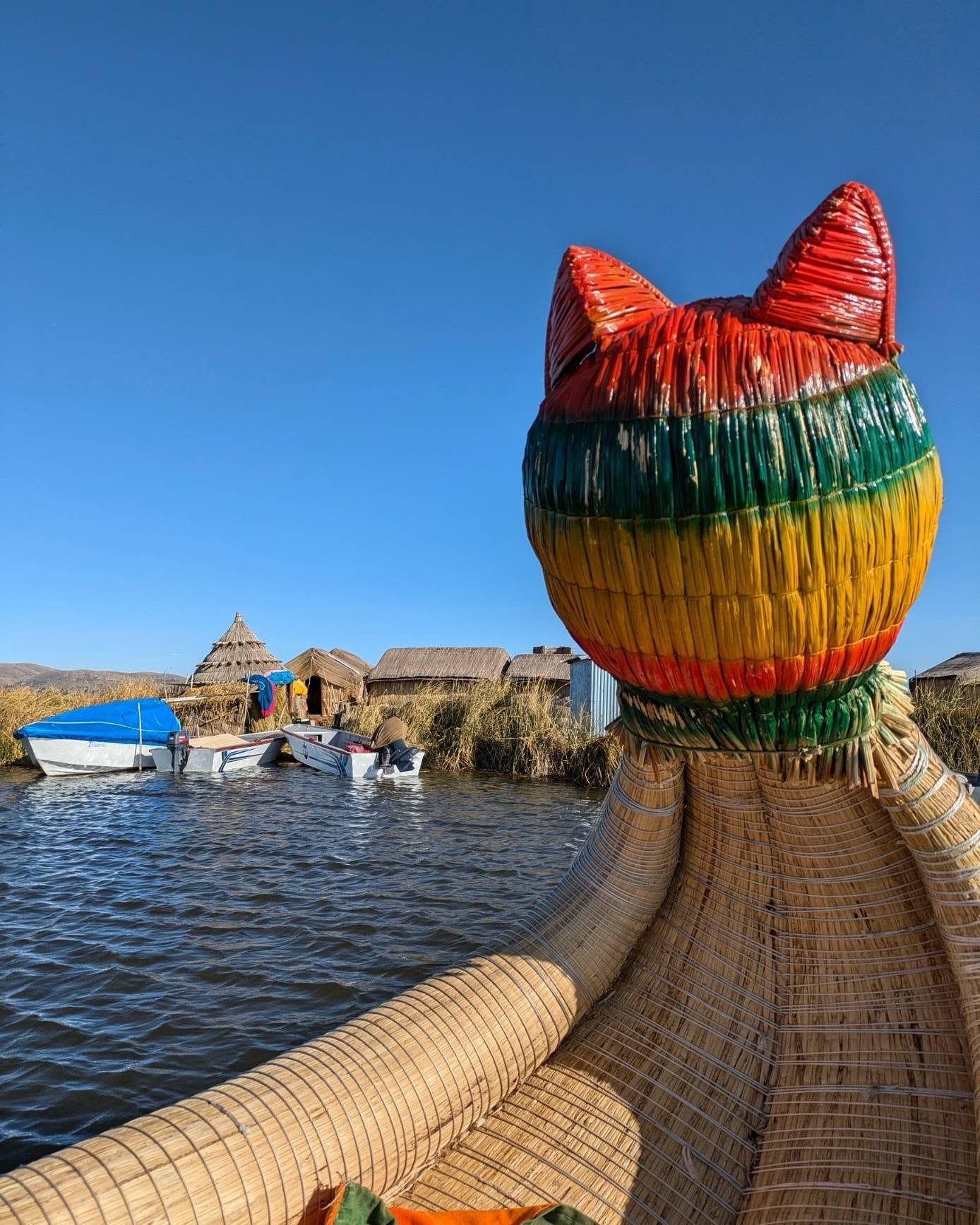
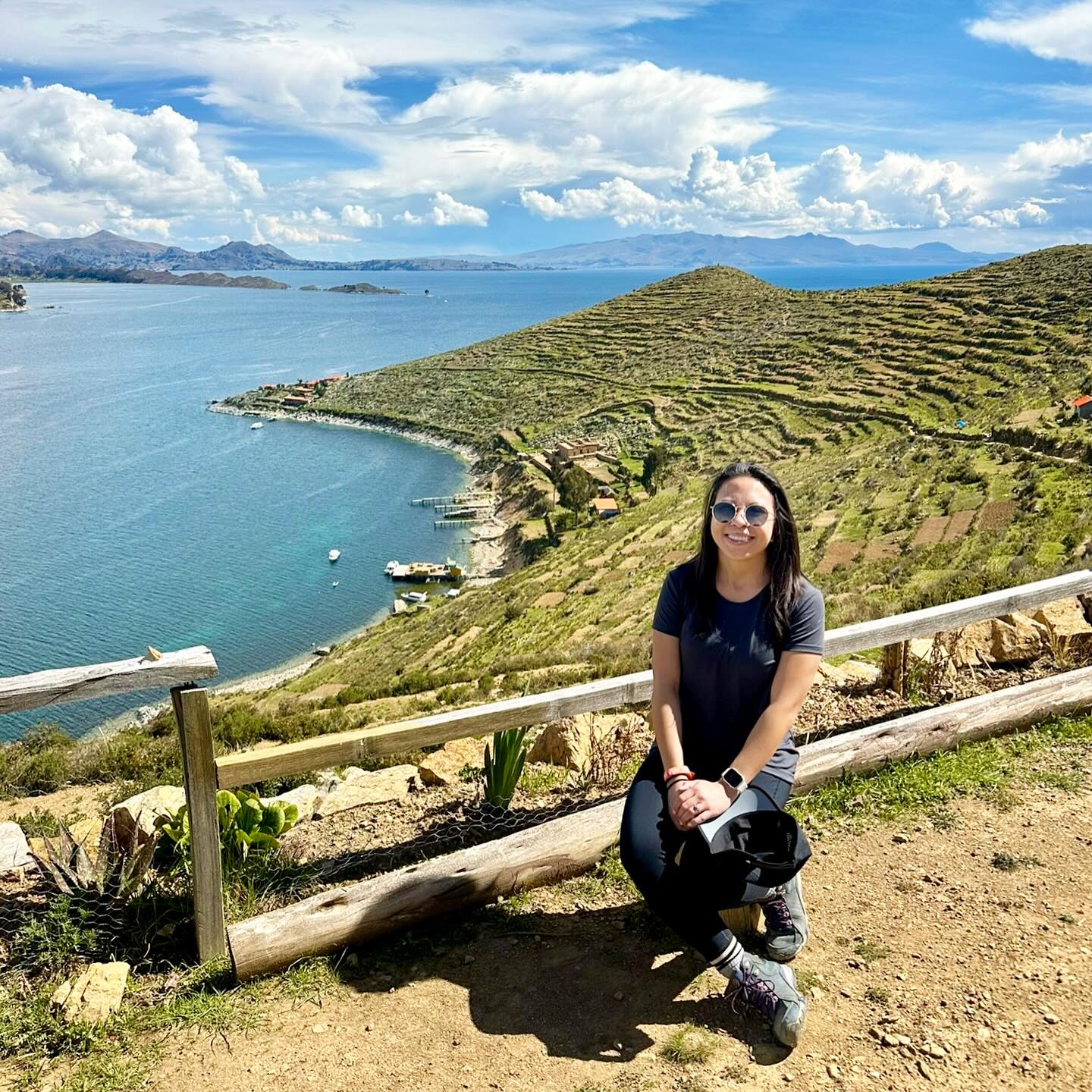
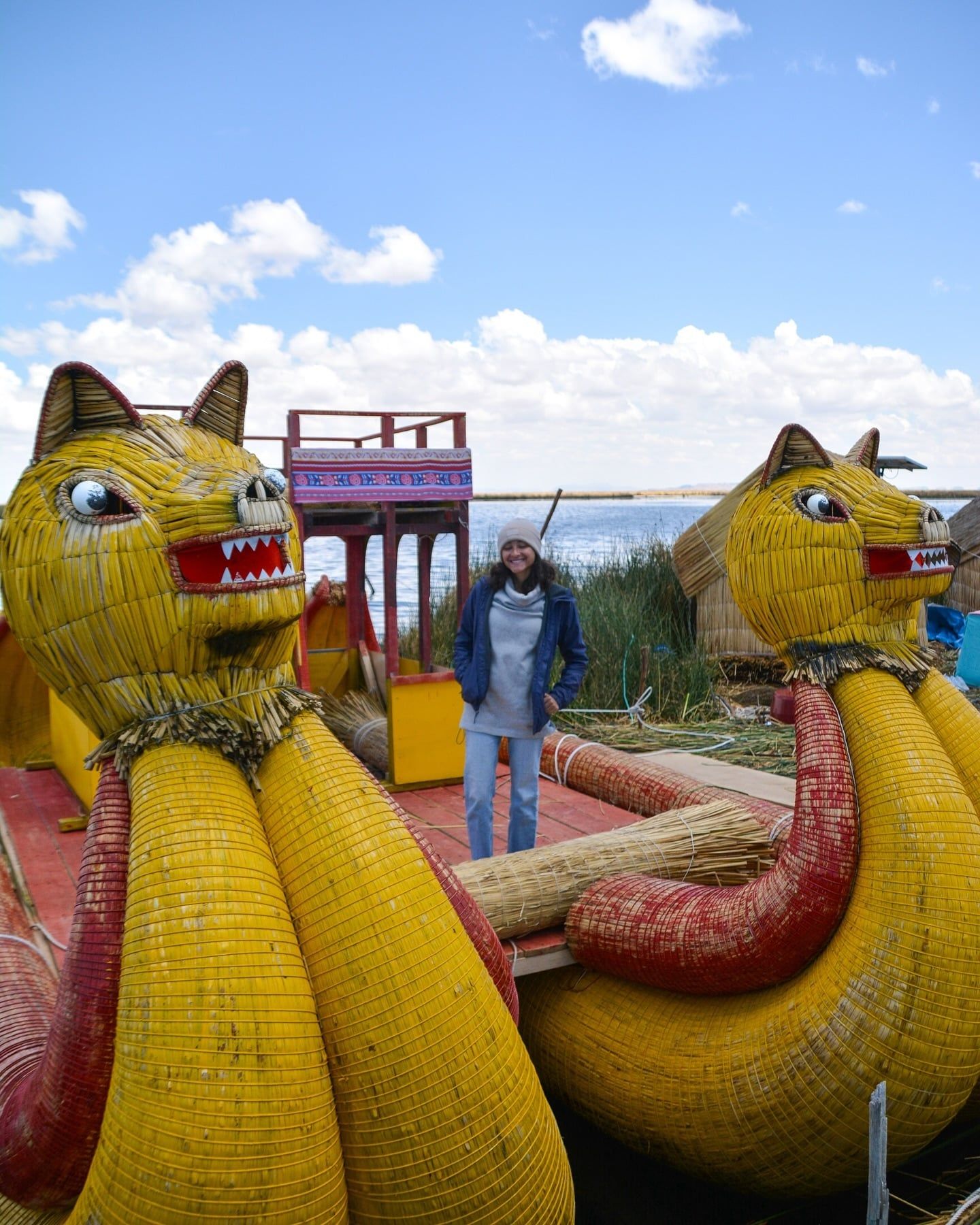
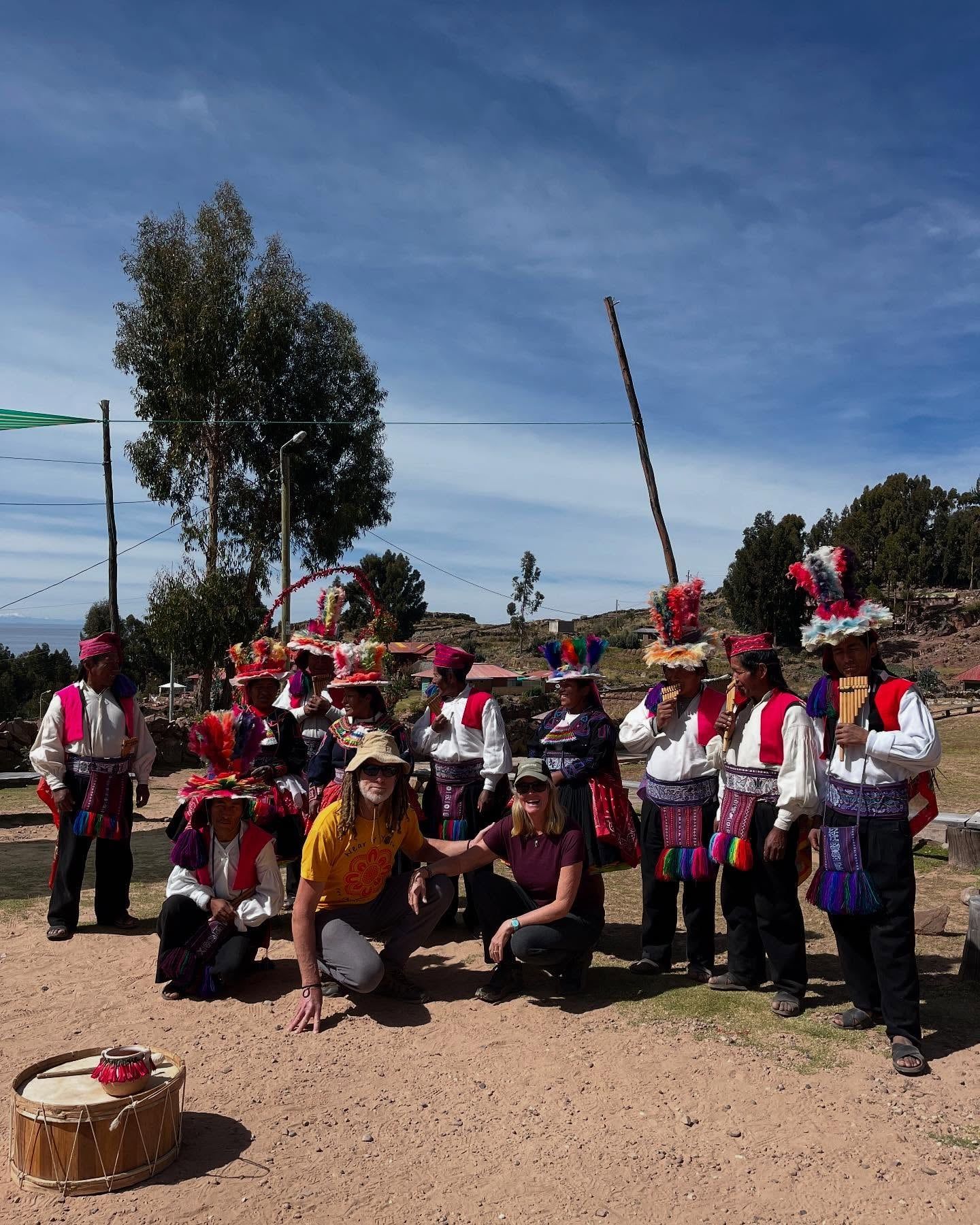
Visiting Lake Titicaca is a journey into the ancient heart of the Andes, situated at a breathtaking 3,812 meters above sea level. Tours across this massive, high-altitude lake offer a blend of spectacular mountain scenery, unique aquatic ecosystems, and deep cultural immersion with indigenous communities.
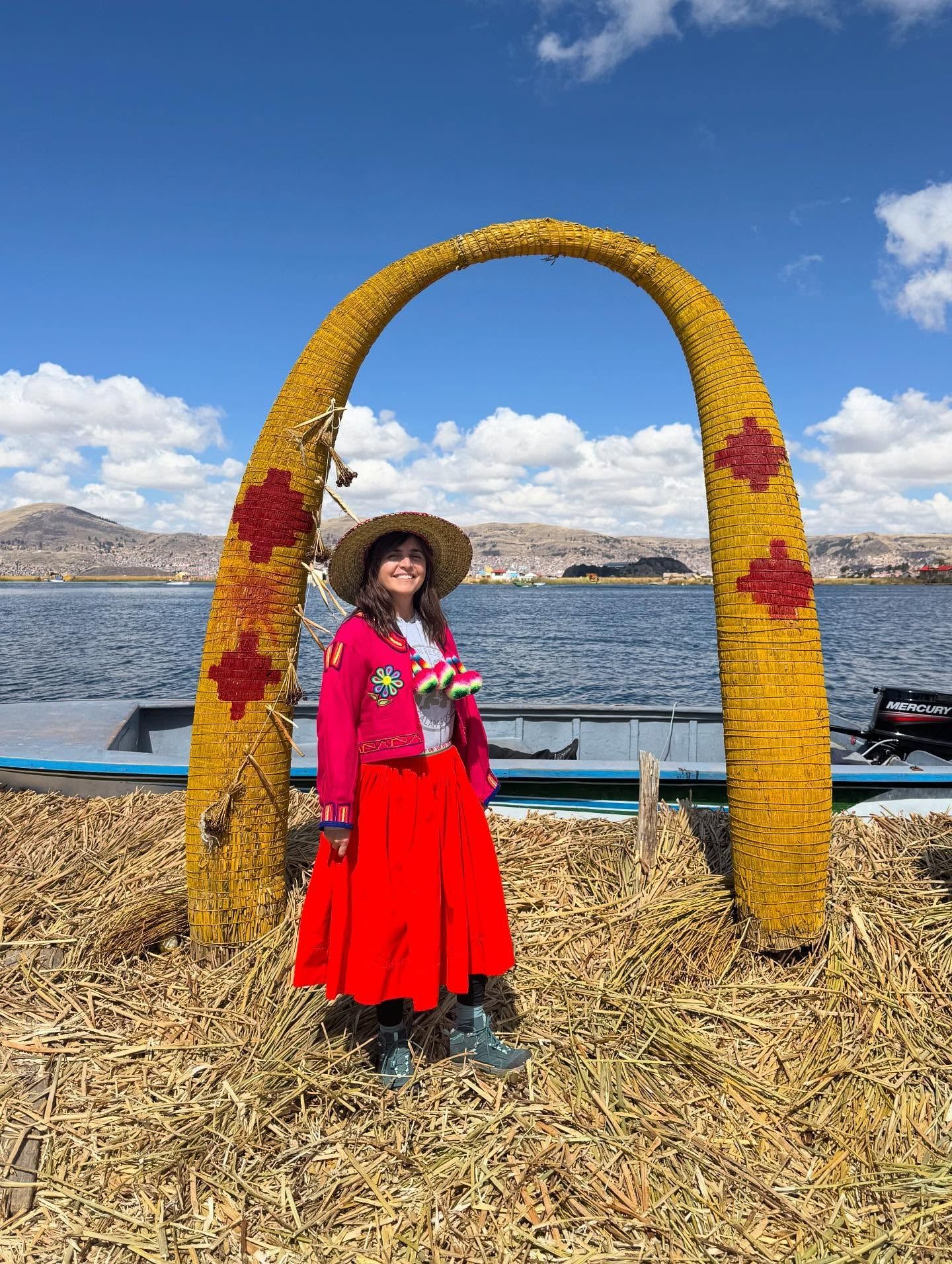
Step onto extraordinary man-made islands built entirely from layers of native totora reeds. You'll meet the indigenous Uru people and learn how they construct their homes and boats from these versatile plants.
Explore a peaceful island completely free of cars and modern machinery. Taquile is famous for its UNESCO-recognized textile tradition, where local men learn the art of knitting from the age of eight.
Spend the night with a local family in a traditional mud-brick home. This immersive experience includes home-cooked meals, agricultural chores, and dressing in traditional clothing for local music.
Accessible from the Bolivian side, this sacred island is steeped in Inca mythology. Hike along ancient stone roads and explore over 180 well-preserved ruins, including the sprawling Templo del Sol.
Visit a pre-Inca necropolis located on the shores of Laguna Umayo. Marvel at the impressive cylindrical stone towers, known as chullpas, which reach up to 40 feet high.
Glide silently across the mirror-like water in a kayak for a close-up view of the ecosystem. Paddle through quiet reed channels and spot native water birds in the morning mist.
Planning a trip to the highest navigable lake in the world requires some preparation. Here is what you need to know before securing your Lake Titicaca tour.
Options range from quick 3-hour sightseeing cruises to the Uros islands, to full-day speedboat trips covering multiple islands. For a deeper dive, 2-day excursions featuring local family homestays are highly popular.
Most guided tours include boat transportation, bilingual guides, and the necessary entrance fees to the islands. If traveling independently, expect to pay a 30 soles entrance fee (15 soles for Peruvian nationals) in cash at regional sites.
The lake sits at an extreme elevation of 12,507 feet (3,812 meters). Tours require a moderate level of physical fitness, and it is highly recommended to acclimatize for 24 to 48 hours in Puno or Cusco before booking a full-day trip.
Tour operators generally offer complimentary hotel pickups and drop-offs for accommodations located within the historic center of Puno or near the Plaza Mayor. Pickups outside these central zones usually incur an additional fee of around 25 to 35 soles.
Multi-day tours to Amantaní or Isla del Sol replace standard hotel accommodations with rustic homestays. Expect basic conditions with no electricity or heating, but an unmatched opportunity to share meals and traditions with a local family.
The high-altitude sun is intense, so high-SPF sunscreen, polarized sunglasses, and a wide-brimmed hat are mandatory. Nighttime temperatures drop below freezing, making high-quality thermal layers and a warm jacket essential for overnight tours.
The vast majority of Lake Titicaca boat tours and day trips offer flexible booking, allowing for a full refund if canceled at least 24 hours before the scheduled departure time.
| Half-Day Uros Boat Tour | Full-Day Speedboat Tour | 2-Day Amantaní Homestay | Private Tiwanaku Trip (La Paz) | |
|---|---|---|---|---|
| Duration | 3 hours | 9 hours | 48 hours | Full Day |
| Best for | Quick sightseeing & families | Comprehensive day trips | Cultural immersion | Archaeology buffs & private groups |
| Includes | Guide, covered motor boat, Uros entrance tickets | Fast boat, lunch, bilingual guide, island entrances | Local family accommodation, 3 meals, guide, transfers | Private minibus, lunch, dedicated guide |
| Price from | $39.99 USD | $48.00 USD | $100.00 USD | $200.00 USD |
Lake Titicaca is a natural geographic region and is open to visitors year-round, 24 hours a day, 7 days a week. However, the operational hours for tours and local transport are much more structured.
Standard full-day boat tours generally begin early in the morning to maximize daylight. Hotel pickups in Puno typically occur between 6:55 AM and 7:15 AM. Half-day tours may have morning and afternoon departure slots.
If you are visiting the islands independently, be aware that public boat services usually stop running before sunset. It is crucial to confirm your return trip times with the boat captains at the docks.
Lake Titicaca is highly accessible from major South American travel hubs, with Puno serving as the primary gateway on the Peruvian side.
The optimal time to visit Lake Titicaca is during the dry season, which runs from May to October. The peak months of June, July, and August offer the best conditions, featuring dry weather, clear skies, and excellent visibility for exploring the islands.
During these months, daytime temperatures are comfortable (ranging from 15°C to 20°C), though nighttime temperatures frequently drop below freezing.
The rainy season from November to April represents the worst time to visit. January and February see the heaviest downpours and lightning storms, which can cause poor visibility, muddy trails, and occasional road closures. However, February does host the vibrant Candelaria Festival in Puno.
Navigating Lake Titicaca presents significant challenges for visitors with mobility issues. Standard tour boats are not wheelchair accessible, requiring guests to navigate steep stairs and narrow, wobbly platforms to board.
Furthermore, islands like Taquile involve walking up steep stone paths and staircases at an altitude of 3,800 meters, which makes physical exertion difficult even for able-bodied travelers.
Despite these challenges, specialized agencies like Amazing Peru offer customized wheelchair tours. These specialized packages provide personal assistants, portable ramps, and accessible hotel accommodations to make the lake's highlights reachable.
Facilities on the lake's islands are incredibly basic, reflecting the traditional lifestyles of the indigenous communities. Visitors should prepare for a rustic experience.
Local authorities and indigenous communities enforce strict rules to protect the lake's fragile ecosystem and cultural heritage.
Swimming is not recommended due to the extreme cold. The surface water temperature averages around 14°C (55°F) year-round, which poses a serious risk of hypothermia and rapid physical exhaustion.
The lake sits at a breathtaking 3,812 meters (12,507 feet) above sea level. Because the air is thin, visitors are at risk of altitude sickness and should spend their first 24 to 48 hours resting and drinking coca leaf tea to acclimatize.
The Uros construct their islands by stacking thick layers of organic totora reeds that grow in the shallow parts of the lake. They continuously add new reeds to the top as the bottom layers rot away.
Most guided boat tours include the necessary entrance tickets to the islands in their total price. If you travel independently, expect to pay around 30 soles for foreigners or 15 soles for Peruvian nationals at the docks.
The dry season from May to October is the best time to visit, with June to August offering the clearest skies and best visibility. Avoid January and February due to heavy downpours and lightning storms.
No, there are absolutely no cars, hotels, or modern machines allowed on Taquile Island. All agricultural work is done by hand, and visitors must explore the island entirely on foot.
Basic half-day or full-day boat tours range from $30 USD to $120 USD per person. Multi-day excursions that include island homestays or private transport generally cost between $100 USD and $250 USD.
Pack high-SPF sunscreen, a wide-brimmed hat, and polarized sunglasses for the intense daytime UV rays. For the freezing nights, you must bring high-quality thermal layers, a warm jacket, gloves, and a beanie.
You can take a 7-hour public bus ride covering 389 kilometers, with tickets starting around $20 USD. Alternatively, you can book the scenic 10.5-hour PeruRail Titicaca train for a luxury daylight journey.
The lake supports 530 aquatic species and 95 bird species. If you're lucky, you might spot native water birds or learn about the critically endangered Lake Titicaca water frog, the world's largest truly aquatic frog.
Browse verified tours with free cancellation and instant confirmation.
Find Tours


This full-day trip departs by fast boat to the Uros floating islands, where you will meet the families who build their homes and land from totora reeds. After learning about their construction methods and daily life on the water, the tour continues to Taquile Island. Known for its lack of motorized vehicles and its preserved traditions, Taquile offers a quiet environment to walk the stone paths and view the lake’s high-altitude landscapes. The day includes a guided look at Taquile’s famous textile art and a traditional lunch featuring fresh trout or a vegetarian omelet, accompanied by quinoa soup and local herbal teas. The tour is all-inclusive, covering hotel transfers, entrance fees, and a professional guide to provide historical context at each stop.
For a full refund, cancel at least 24 hours before the scheduled departure time.
English, Spanish


The Uros people live on islands constructed entirely from totora reeds, a plant native to Lake Titicaca. These floating platforms and their homes have been maintained since pre-Incan times. On this tour, you will meet the residents of this small community and see firsthand how they build and maintain their buoyant foundations. In the afternoon, the journey continues to Amantani Island. Unlike the floating reed islands, Amantani is a natural landmass where you can learn about the local traditions and daily life of the permanent residents.
For a full refund, cancel at least 24 hours before the scheduled departure time.
English, Spanish
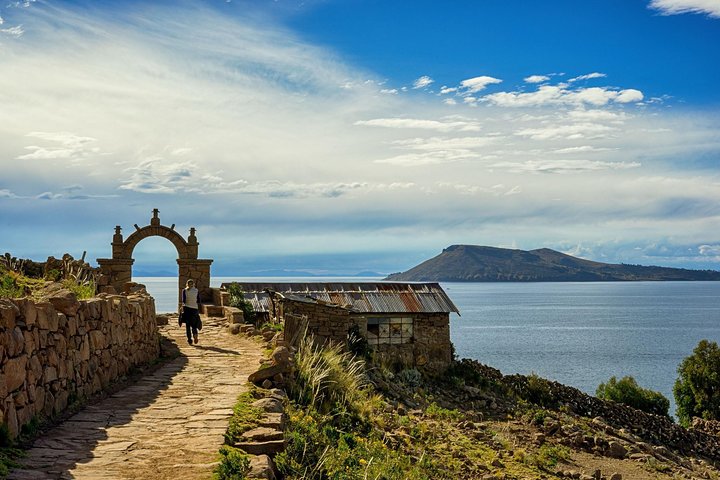


This two-day trip departs for the high-altitude waters of Lake Titicaca, which sits on the border of Peru and Bolivia. The first stop is the floating islands of the Uros people, a community that has lived on man-made reed platforms since before the Spanish conquest. You will learn about their construction methods and daily life before continuing further across the lake. From the floating islands, the boat heads to Amantani Island. Instead of a hotel, you will spend the night in the home of a local family. This stay provides a direct look at the island's traditions and agricultural lifestyle. Meals are shared with your hosts, offering a chance to see how remote island communities maintain their heritage. On the second day, the tour moves to Taquile Island. This area is known for its textile art and steep stone paths. After walking through the village and seeing the local weaving techniques, you will return by boat across the lake. The trip covers transportation between the islands and the overnight stay, focusing on the cultural history of the region.
For a full refund, cancel at least 24 hours before the scheduled departure time.
English, Spanish


Travel across Lake Titicaca by speedboat to visit the floating islands of Uros and the traditional community of Taquile. Led by a local operator with over 10 years of experience, this tour begins with an in-depth look at Uros. A resident will explain the construction of the reed islands and their unique history, followed by free time to explore or take an optional ride in a traditional boat. On Taquile Island, you will experience the local culture through a live music and dance performance. The visit includes a traditional lunch served with views of the lake, as well as free time to walk the island’s trails. Throughout the day, your guide will share insights into the ecology, history, and social traditions that define these lakeside populations.
For a full refund, cancel at least 24 hours before the scheduled departure time.
English, Spanish


This two-day itinerary departs from La Paz for the lakeside town of Copacabana. After some time to see the town, you will board an afternoon boat to Isla del Sol. Known as a significant site in Inca mythology, the island is where you will spend the first night of the tour. The following morning is free for independent exploration. You can walk through the southern part of the island to take in the views or visit local sites like the Gold Museum and the Fountain of Youth before heading back.
For a full refund, cancel at least 24 hours before the scheduled departure time.
English, Spanish


This full-day boat trip takes you across Lake Titicaca, the world's highest navigable body of water. The day begins with a visit to the Uros floating islands, which are constructed entirely from bundled totora reeds. You will learn about the traditional construction methods and the daily life of the families who live on these man-made platforms. After visiting the floating islands, the tour continues to Amantani. Unlike the Uros islands, Amantani is a natural island known for its remote location and preserved cultural traditions. You will spend time with the local community, exploring the landscape and learning about their agricultural practices and textile heritage before returning to the mainland.
For a full refund, cancel at least 24 hours before the scheduled departure time.
English, Spanish


This three-hour boat trip departs from Puno to visit the Uros floating islands on Lake Titicaca. The vessel is designed for sightseeing, featuring indoor seating with panoramic windows and a second-level observation deck for views of the lake. A guide accompanies the group to explain the history of the region and the specific traditions of the indigenous Uros community. Once on the islands, you will see how the residents use totora reeds to construct their homes and the floating ground itself. The tour offers a chance to walk on the reed platforms, experience the unique sensation of the floating islands, and try on traditional local clothing while learning about daily life directly from the inhabitants.
For a full refund, cancel at least 24 hours before the scheduled departure time.
English, Spanish


This full-day trip takes you onto Lake Titicaca, the highest navigable body of water in the world at 3,812 meters (12,506 feet). Located on the border of Peru and Bolivia, the lake is home to several remote communities that rely on traditional fishing and farming. You will start by visiting the Uros floating islands, which are constructed entirely from native totora reeds. The journey continues to Taquile Island, where residents maintain a lifestyle largely independent of modern technology. Throughout the day, a bilingual guide speaking English and Spanish will explain how these communities sustain themselves with limited resources. You will see firsthand how the locals preserve their ancestral customs and continue to speak their native languages, Aymara and Quechua.
For a full refund, cancel at least 24 hours before the scheduled departure time.
English, Spanish


This two-day boat tour explores the high-altitude waters of Lake Titicaca, beginning with a visit to the Uros floating islands. You will then travel further across the lake to Amantani, a secluded island where the community maintains traditional farming and weaving practices. Instead of a hotel, you will spend the night in a local family home on Amantani. This stay offers a direct look at customs and daily life that have been passed down for generations. After a second day of exploring the lake's islands, you will return to the mainland for your journey back. Please note that this tour starts and ends in Cusco. To maximize your time on the water, the itinerary includes overnight bus travel on both the first and last nights of the trip.
For a full refund, cancel at least 24 hours before the scheduled departure time.
English, Spanish


Tiwanaku remains one of South America's most significant archaeological sites, though much of the city is still buried. Evidence shows people lived here as early as 1500 BCE, but the settlement reached its peak as a powerful city-state between 300 and 1000 CE. Its eventual decline was triggered by a shift in climate, as a long-term lack of rainfall made the region difficult to sustain. While centuries of looting have left many areas disturbed, the surviving structures showcase the incredible precision of Tiwanaku’s masonry. The site offers a look at a civilization that mastered stone-cutting long before the rise of the Inca. This eight-hour tour combines a visit to these ruins with a trip to the nearby shores of Lake Titicaca, allowing you to see two of the region's most important landmarks in a single day.
For a full refund, cancel at least 24 hours before the scheduled departure time.
English, Spanish